

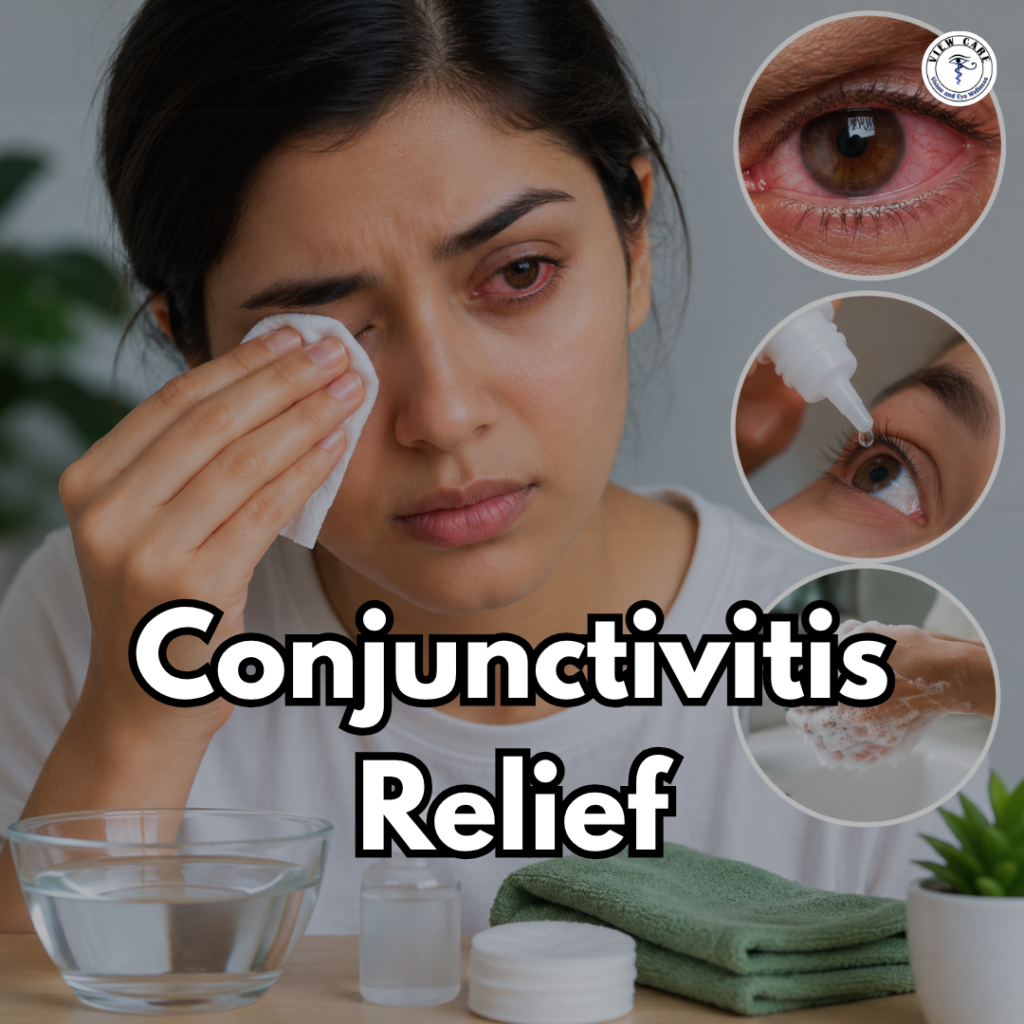
Red, itchy, watery eyes can be uncomfortable and worrying.
One of the most common reasons behind these symptoms is conjunctivitis,
also known as pink eye. While many people immediately search for home
remedies for conjunctivitis, it is important to understand that not every
case can be treated at home. Some forms of conjunctivitis need medical
treatment to prevent complications and protect your vision.
In this blog, we’ll explain what conjunctivitis is, its
causes, symptoms, safe home remedies, treatment options, and when you should
visit an Eye specialist, Eye doctor, or Ophthalmologist.
Whether you’re looking for an Eye clinic, an Eye hospital, or the
Best eye hospital in Delhi, this guide will help you make informed
decisions about your eye health.
What Is Conjunctivitis?
Conjunctivitis is the inflammation of the thin, transparent
layer that covers the white part of the eye and the inside of the eyelids. When
this layer becomes irritated or infected, the tiny blood vessels become
swollen, making the eye appear red or pink.
Conjunctivitis is very common and can affect people of all
ages. It may involve one eye or both eyes, depending on the cause.
Although it often improves within a few days to two weeks,
the right treatment depends on whether the infection is caused by a virus,
bacteria, allergies, or an irritant.
What Causes Conjunctivitis?
Several factors can cause conjunctivitis.
Viral Infection
Viruses are the most common cause of conjunctivitis. Viral
conjunctivitis spreads easily from one person to another and often develops
along with a cold, sore throat, or flu.
Bacterial Infection
Certain bacteria can infect the eye and cause thick yellow
or green discharge. This type usually requires antibiotic eye drops prescribed
by an Eye doctor.
Allergies
Pollen, dust, pet hair, mold, and other allergens may
trigger allergic conjunctivitis. Unlike infectious conjunctivitis, this type is
not contagious.
Irritants
Smoke, pollution, chemicals, swimming pool chlorine,
cosmetics, or foreign particles can irritate the eyes and cause temporary
conjunctivitis.
Risk Factors
Anyone can develop conjunctivitis, but the risk is higher if
you:
- Frequently
touch your eyes with unwashed hands
- Have
seasonal allergies
- Wear
contact lenses for long hours
- Share
towels, pillows, or makeup
- Spend
time around someone with pink eye
- Have
a weakened immune system
- Work
in schools, offices, or crowded places
Maintaining good hygiene significantly lowers the risk of
infection.
Symptoms of Conjunctivitis
Symptoms may vary depending on the cause, but common signs
include:
- Red
or pink eyes
- Itching
- Burning
sensation
- Excessive
watering
- Thick
eye discharge
- Sticky
eyelids, especially after waking up
- Swollen
eyelids
- Sensitivity
to light
- Gritty
feeling in the eyes
- Mild
blurred vision due to discharge
If you experience severe pain or sudden vision loss, seek
medical attention immediately.
Can Home Remedies Help?
Home remedies can help relieve discomfort in mild cases of
viral or allergic conjunctivitis. However, they cannot cure bacterial
infections, and they should never replace professional medical advice when
symptoms are severe.
Here are some safe home remedies.
1. Apply a Clean Cold Compress
A clean, cool compress helps reduce redness, itching, and
swelling.
Use a clean cotton cloth soaked in cool water. Place it
gently over the closed eye for 5–10 minutes several times a day.
Always use a separate cloth for each eye if both are
affected.
2. Keep Your Eyes Clean
If discharge builds up around your eyelids, gently clean it
using sterile cotton soaked in lukewarm water.
Always wipe from the inner corner toward the outer corner
and discard the cotton after one use.
3. Wash Your Hands Frequently
Because viral and bacterial conjunctivitis spread easily,
washing your hands is one of the best ways to prevent infection.
Avoid touching or rubbing your eyes.
4. Stop Wearing Contact Lenses
Do not wear contact lenses until your eyes have completely
healed.
Using contact lenses during an infection may worsen symptoms
and delay recovery.
5. Avoid Eye Makeup
Throw away any eye makeup used before or during the
infection.
Old mascara or eyeliner may contain bacteria and lead to
reinfection.
6. Use Artificial Tears
Preservative-free lubricating eye drops can reduce
irritation and dryness.
Avoid using redness-relief eye drops without medical advice.
7. Get Enough Rest
Your body heals faster when you get enough sleep and stay
hydrated.
Rest also reduces eye strain and discomfort.
Home Remedies You Should Avoid
Many people try traditional remedies without realizing they
may worsen the infection.
Avoid:
- Putting
honey into the eyes
- Using
rose water without medical advice
- Applying
breast milk
- Using
saliva
- Washing
eyes with herbal mixtures
- Sharing
eye drops with others
These remedies may introduce more germs and increase the
risk of complications.
Treatment Options
The right treatment depends on the cause.
Viral Conjunctivitis
Most viral infections improve on their own within one to two
weeks.
Treatment usually includes:
- Cold
compresses
- Artificial
tears
- Good
hygiene
- Rest
Antibiotics do not work against viruses.
Bacterial Conjunctivitis
Your Eye specialist may prescribe antibiotic eye
drops or ointment.
Most patients notice improvement within a few days after
starting treatment.
Allergic Conjunctivitis
Treatment includes:
- Allergy
eye drops
- Antihistamines
- Avoiding
allergens
- Cold
compresses
Managing allergies helps prevent repeated episodes.
Irritant Conjunctivitis
The eyes should be rinsed with clean water or saline. If symptoms continue, consult an Ophthalmologist.
When Should You Visit an Eye Specialist?
Home care is helpful only for mild cases. Visit an Eye specialist or Eye hospital immediately if you have:
- Severe
eye pain
- Blurred
or reduced vision
- Light
sensitivity
- Thick
yellow or green discharge
- Symptoms
lasting more than a few days
- High
fever
- Swelling
around the eyes
- Contact
lens-related infection
- Eye
injury
- Frequent
recurrence
Early treatment prevents complications and protects your
eyesight.
If you are searching for an Eye specialist Delhi, Eye
specialist Mayur Vihar Phase 1, Eye specialist Laxmi Nagar, or the Best
eye hospital in Delhi, choose an experienced Eye clinic with
qualified specialists and modern diagnostic facilities for accurate diagnosis
and treatment.
Possible Complications
Most cases recover without problems. However, untreated bacterial infections or severe viral infections can sometimes lead to:
- Corneal
infection
- Persistent
redness
- Vision
problems
- Chronic
inflammation
- Eye
pain
- Rarely,
permanent vision damage
Prompt treatment greatly reduces these risks.
How Can You Prevent Conjunctivitis?
Simple habits can help protect your eyes.
- Wash
hands regularly.
- Avoid
touching your eyes.
- Do
not share towels or pillows.
- Replace
old eye makeup.
- Clean
contact lenses properly.
- Wear
protective glasses while swimming.
- Avoid
close contact with infected individuals.
- Maintain
good eye hygiene.
Regular Eye checkup and Eye test are also
important, especially if you have recurring eye infections or wear contact
lenses.
Success Story 1: Quick Recovery with Early Care
Ritika, a 28-year-old working professional, developed
redness and watering in one eye after recovering from a viral fever. She
initially tried home remedies, including cold compresses, but visited an Eye
doctor when the redness spread to her other eye.
After a proper examination, she was diagnosed with viral
conjunctivitis and advised supportive treatment along with strict hygiene
measures. Within ten days, her eyes recovered completely without any
complications.
Her experience highlights the importance of getting the
right diagnosis instead of relying only on internet remedies.
Success Story 2: Timely Treatment Prevented Complications
Amit, a 42-year-old businessman, ignored thick yellow eye
discharge for several days, believing it would heal on its own.
When he finally visited View Care Eye Hospital, the Ophthalmologist
diagnosed bacterial conjunctivitis and started antibiotic treatment
immediately.
Within four days, his symptoms improved significantly, and
he avoided a more serious eye infection. Amit now recommends seeking
professional care whenever eye symptoms become severe.
Conclusion
Conjunctivitis is common, and in many mild cases, home
remedies such as cold compresses, artificial tears, and proper hygiene can help
relieve symptoms. However, home remedies should never replace professional
treatment, especially when symptoms are severe, vision is affected, or thick
discharge is present.
The safest approach is to monitor your symptoms carefully
and consult an experienced Eye specialist if your condition does not
improve. Early diagnosis and treatment can prevent complications and help you
recover faster.
If you are looking for an experienced Eye doctor, Eye
clinic, Eye hospital Delhi, or the Best eye hospital in Delhi,
View Care Eye Hospital provides comprehensive Eye checkup, Eye
test, and expert care for all types of eye infections. Whether you need an Eye
specialist Mayur Vihar Phase 1, an Eye specialist Laxmi Nagar, or
are simply searching for the Best eye specialist near me or Top 5 eye
doctor near me, timely consultation can make all the difference in
protecting your vision.