

Cataract Surgery in Delhi – View Care Eye Centre, Mayur Vihar
Looking for cataract surgery in Delhi? View Care Eye Centre in Mayur Vihar provides cataract consultation and treatment based on a detailed eye examination. Our team will assess your vision and cataract before discussing the suitable treatment and lens options for your needs.

What is Cataract Surgery?
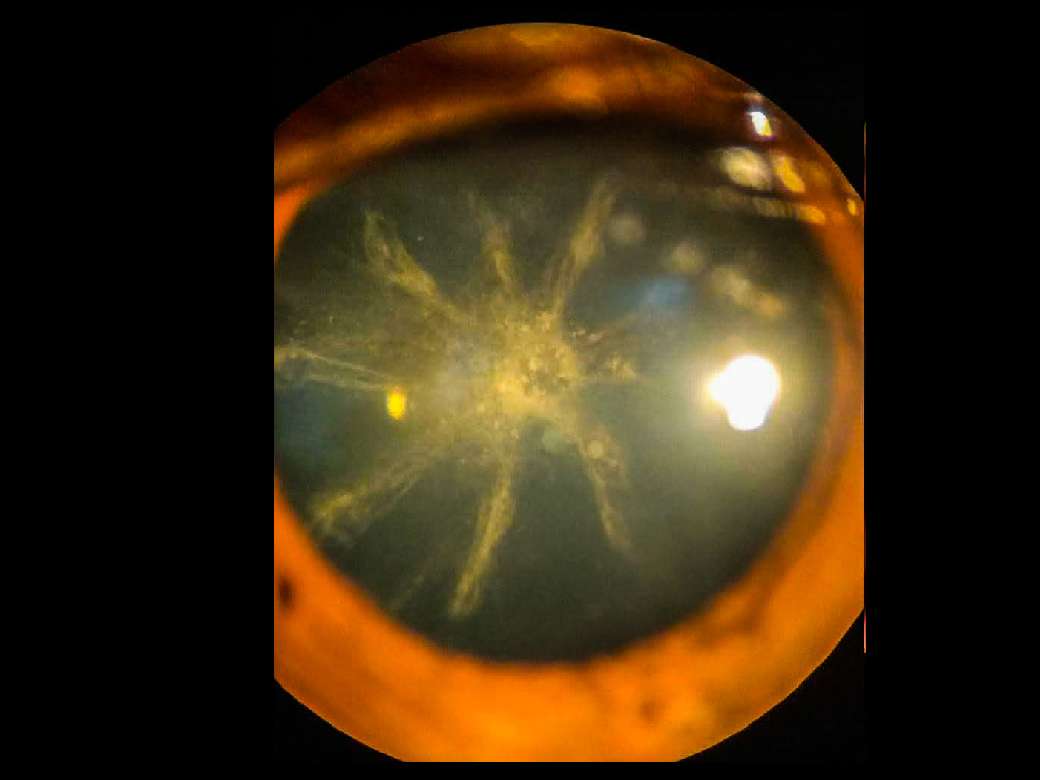
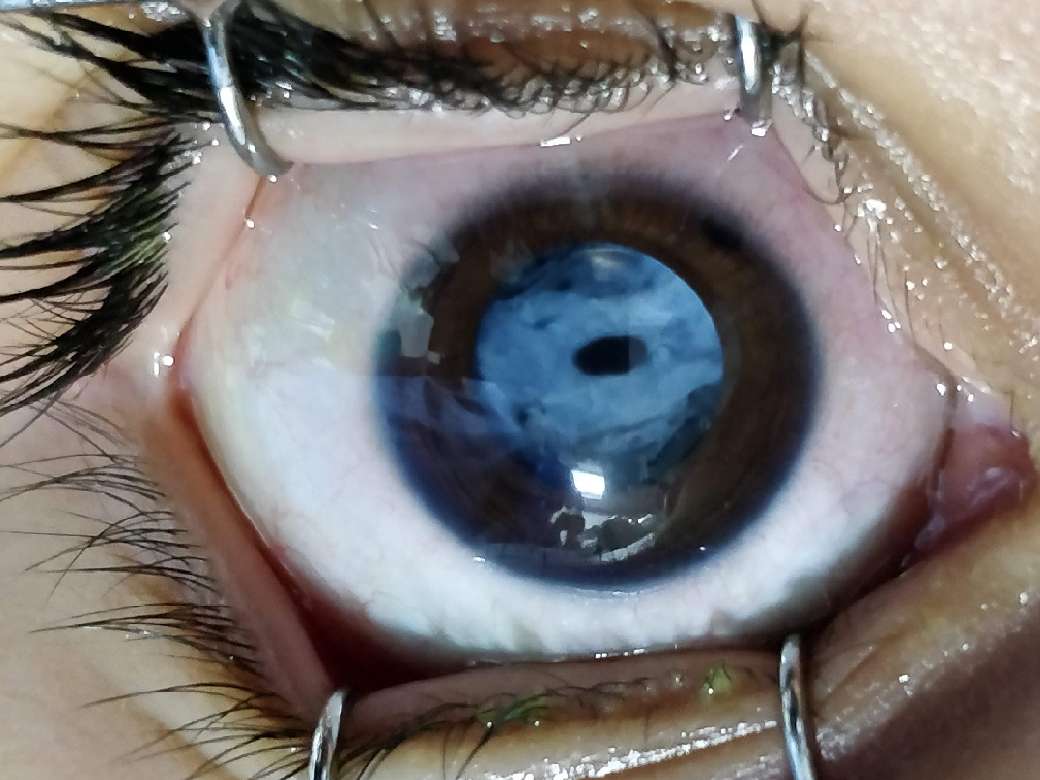
A cataract develops when the natural lens of the eye becomes cloudy, which can cause blurred or hazy vision and make everyday activities such as reading or driving more difficult. Cataract surgery removes the cloudy lens and replaces it with an artificial lens. The suitable treatment and lens option are discussed after a detailed eye examination.

Cataract Consultation with Dr. Gaurav Garg
Dr. Gaurav Garg is an ophthalmologist and AIIMS alumnus providing eye-care consultation and surgical treatment at View Care Eye Centre.
Why Choose View Care Eye Centre for Cataract Surgery in Delhi?
- Detailed Eye Examination: Your eyes and cataract are assessed before treatment options are discussed.
- Personalised Treatment Plan: The recommended approach and lens option are based on your eye examination, vision needs and individual requirements.
- Care Before and After Surgery: Patients receive guidance before cataract surgery along with appropriate follow-up after the procedure.
- Convenient Mayur Vihar Location: View Care Eye Centre is located in Mayur Vihar Phase 1, Delhi, making consultation and follow-up convenient for patients in the surrounding areas.
Symptoms of Cataracts
Cataracts usually develop gradually. Common symptoms can include:
- Blurred or cloudy vision
- Difficulty seeing at night
- Sensitivity to light and glare
- Frequent changes in prescription glasses
- Fading or yellowing of colors
If you notice changes in your vision or any of these symptoms, book an eye examination to understand the cause and discuss the appropriate next steps.
The Cataract Surgery Process at View Care
- Consultation: Your eyes and cataract are examined to understand your vision and discuss suitable treatment options.
- Pre-Surgery Preparation: The required eye measurements and checks are completed before surgery, and you are given instructions to prepare for the procedure.
- Cataract Surgery: The cloudy natural lens is removed and replaced with an artificial intraocular lens (IOL). The lens option and treatment approach are selected based on your eye examination and vision needs.
- Follow-Up Care: After surgery, follow-up appointments are used to monitor healing and provide guidance for your recovery.
Cataract Patient Testimonials
Hear from patients who have visited View Care Eye Centre for cataract treatment and learn about their experience.
Book a Cataract Consultation
If cataracts are affecting your vision or daily activities, book an eye examination at View Care Eye Centre in Mayur Vihar. Your eyes will be assessed and the available treatment and lens options can be discussed based on your individual needs.
Frequently Asked Questions
A cataract occurs when the natural lens of the eye becomes cloudy, causing blurred or hazy vision. Cataracts commonly develop gradually with age, although they can also occur for other reasons.
Yes, cataract in children can be present from birth or in young adults, due to various reasons like injury to the eyes or excess use of steroids, etc.
Cataract generally progresses with age. There are many indigenous or foreign medicines in the market that say, cataract is cured by applying them, which is a sham. Surgery is the only successful treatment for cataracts.
When the patient sees so little that it becomes difficult to do daily work, then it should be operated.
Cataract is a disease (normal change) with age whereas glaucoma is more likely to occur after 40 years of age. Redness, watering, and pain are common in glaucoma, but in cataract, the eyesight gradually decreases and there is no pain or redness. Eyesight comes back after a cataract, but the vision that is lost in glaucoma doesn’t come back. Therefore, glaucoma is said to be more dangerous.
The cataract operation is performed initially by numbing the eye and making a small incision. After this, we remove the natural lens that has lost its transparency and replace it with an artificial lens.
Yes, if the lens is not implanted inside the eyes after the cataract operation, then the patient will have to wear thick glasses around the number 10, and without these glasses, the operated eye won’t be able to see anything. After the lens is installed, the patient can do daily work without glasses.
Whether you need glasses after cataract surgery depends on the type of lens implanted, your eyes and your vision needs. Some patients may still need glasses for reading, distance vision or certain activities after surgery. Your doctor will discuss the suitable lens options and expected vision with you before the procedure.
Most patients recover within a few days, but it may take a few weeks for your vision to fully stabilize.
The procedure is generally painless as it is performed under topical or local anesthesia. Some patients may experience mild discomfort after the surgery.