

Losing an eye can be one of the most emotional and
life-changing experiences a person can face. Whether it happens because of an
accident, an infection, cancer, or a painful eye condition, the physical and
emotional impact can be overwhelming. Many people worry about how they will
look, interact with others, or return to their daily routine.
The good news is that modern medicine offers a highly
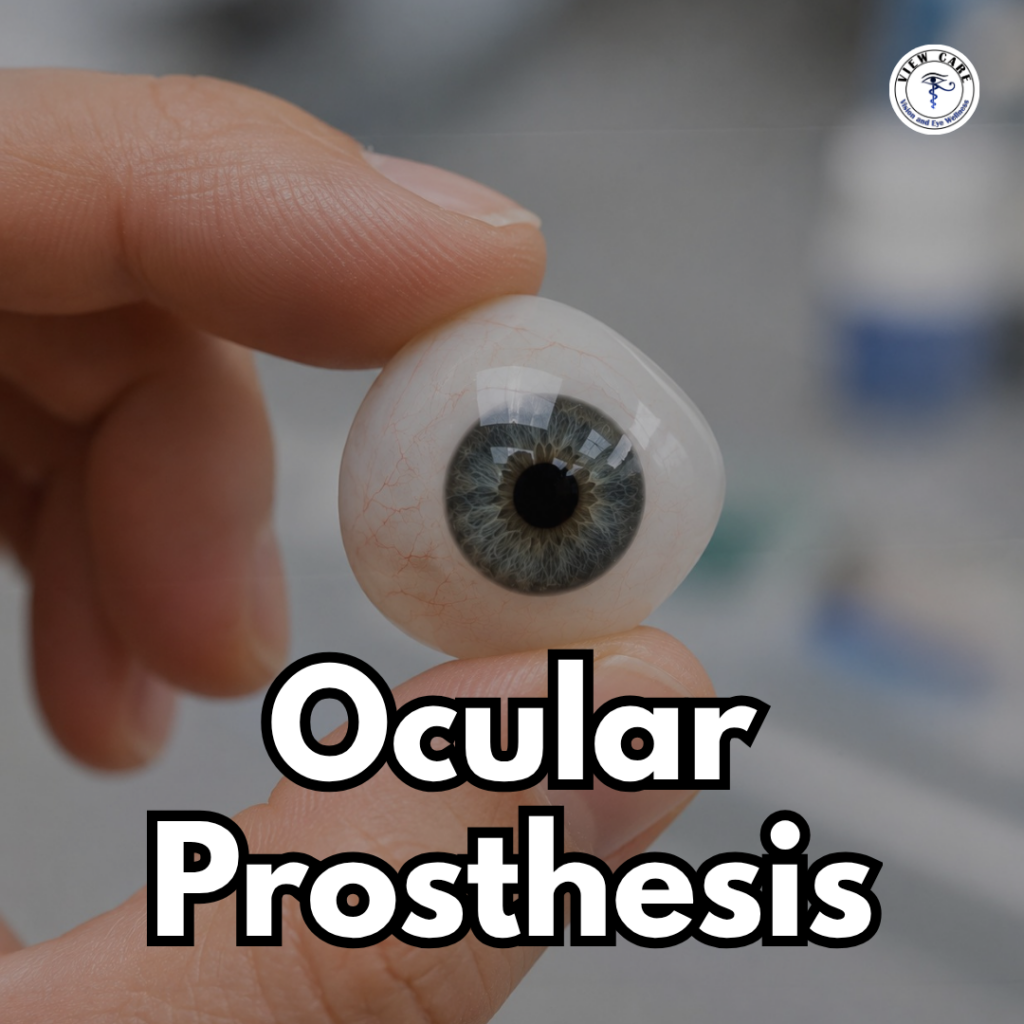
effective solution called an ocular prosthesis, commonly known as an
artificial eye. While it cannot restore vision, it can restore confidence,
improve facial appearance, and help people lead happy and fulfilling lives.
If you are looking for an Eye specialist, Eye
doctor, Ophthalmologist, or Eye hospital in Delhi,
understanding ocular prosthesis treatment can help you make informed decisions
for yourself or your loved ones.
What Is an Ocular Prosthesis?
An ocular prosthesis is a custom-made artificial eye that
replaces the appearance of a missing eye. It is carefully designed to match the
color, size, and shape of the natural eye, making it look as realistic as
possible.
Unlike a simple cosmetic shell, a custom ocular prosthesis
is individually crafted for every patient, ensuring comfort and a natural
appearance.
Although an artificial eye does not provide vision, it
offers several important benefits:
- Restores
facial symmetry
- Improves
self-confidence
- Supports
eyelid function
- Enhances
social interactions
- Creates
a natural appearance
Many people are surprised to learn that modern prosthetic
eyes are so realistic that others may not even notice the difference.
Who May Need an Ocular Prosthesis?
An ocular prosthesis may be recommended for people who have
lost an eye due to various reasons.
Common situations include:
- Serious
eye injury
- Eye
cancer
- Severe
infection
- Painful
blind eye
- Birth
defects
- Advanced
glaucoma
- Retinal
diseases causing irreversible damage
An experienced Eye specialist Delhi or Ophthalmologist
evaluates each patient carefully before recommending the most suitable
treatment.
Causes That May Lead to Eye Removal
Sometimes an eye becomes so damaged or painful that removing
it is the safest option.
Eye Trauma
Road accidents, sports injuries, workplace injuries, or
sharp object injuries can permanently damage the eye.
Eye Cancer
Certain tumors affecting the eye may require surgical
removal to prevent the spread of disease.
Severe Infection
Untreated infections can destroy eye tissues and cause
permanent damage.
Painful Blind Eye
An eye that has permanently lost vision and causes constant
pain may need removal to improve quality of life.
Congenital Conditions
Some children are born with poorly developed eyes and may
benefit from prosthetic rehabilitation.
Risk Factors
Anyone can experience eye loss, but certain factors increase
the risk.
These include:
- Workplace
accidents
- Industrial
injuries
- Sports
injuries
- Road
traffic accidents
- Eye
tumors
- Diabetes-related
complications
- Delayed
treatment of eye infections
- Lack
of regular Eye checkup
- Ignoring
Eye test recommendations
Regular visits to an Eye clinic or Eye hospital
Delhi can help detect many eye conditions early.
Signs That You May Need Medical Evaluation
If you experience any of the following symptoms, consult an
Eye doctor immediately:
- Severe
eye pain
- Complete
vision loss
- Persistent
redness
- Swelling
around the eye
- Bleeding
after injury
- Eye
protrusion
- Sudden
change in eye appearance
- Non-healing
eye infection
Early treatment can often save the eye and prevent
complications.
Symptoms After Eye Removal Surgery
Following surgery, it is normal to experience:
- Mild
discomfort
- Swelling
- Bruising
- Watering
- Temporary
eyelid stiffness
These symptoms gradually improve over the following weeks
under proper medical care.
How Is an Ocular Prosthesis Made?
Creating an artificial eye is a detailed process that
combines medical expertise with artistic skill.
Step 1: Eye Socket Examination
The Eye specialist carefully examines the socket to ensure
proper healing.
Step 2: Taking an Impression
A customized impression is taken to create the perfect fit.
Step 3: Designing the Prosthesis
Experts match the color, iris pattern, and blood vessels of
the healthy eye for a natural appearance.
Step 4: Trial Fitting
The prosthesis is placed temporarily to check comfort and
movement.
Step 5: Final Placement
After adjustments, the finished prosthesis is inserted and
polished.
Treatment Options
Treatment depends on the condition of the eye and
surrounding tissues.
Custom Ocular Prosthesis
This is the most common and preferred option because it
offers:
- Better
comfort
- Better
appearance
- Improved
movement
- Personalized
fit
Ocular Implant with Prosthesis
After eye removal surgery, an implant is placed inside the
socket to provide support and natural movement.
The prosthetic eye sits over the implant, creating a
realistic look.
Cosmetic Shell
If the natural eye is small or damaged but still present, a
thin cosmetic shell may be placed over it.
Recovery After Getting an Artificial Eye
Most patients recover well and return to normal activities
within a few weeks.
Recovery tips include:
- Follow
medication instructions
- Keep
the area clean
- Attend
follow-up appointments
- Avoid
rubbing the eye
- Wear
protective glasses when needed
Regular reviews with an Eye specialist Mayur Vihar Phase
1 or your local Ophthalmologist help ensure long-term comfort.
Daily Care of an Ocular Prosthesis
Proper care keeps the prosthesis looking natural and
comfortable.
Simple care tips include:
- Wash
hands before touching the prosthesis
- Clean
as advised by your Eye doctor
- Use
lubricating drops if recommended
- Avoid
harsh chemicals
- Store
safely when removed
- Visit
your Eye clinic for regular polishing
Most prosthetic eyes last several years before replacement
becomes necessary.
Possible Complications
Although complications are uncommon, they can occur.
These include:
- Irritation
- Dryness
- Discharge
- Poor
fitting
- Socket
infection
- Eyelid
changes
Most problems can be treated easily when identified early.
When Should You Seek Medical Help?
Visit an Eye hospital in Delhi or consult an Eye specialist
immediately if you notice:
- Increasing
pain
- Persistent
redness
- Swelling
- Excessive
discharge
- Bleeding
- Loose
prosthesis
- Difficulty
wearing the artificial eye
Prompt treatment prevents more serious complications.
Can Children Use an Ocular Prosthesis?
Yes.
Children born with absent or underdeveloped eyes can benefit
greatly from early prosthetic treatment.
Regular adjustments are necessary because the face continues
to grow, ensuring proper development and a balanced appearance.
Life with an Ocular Prosthesis
Thousands of people around the world live active,
successful, and confident lives with an artificial eye.
Most patients:
- Return
to work
- Travel
comfortably
- Play
sports with protection
- Attend
social events
- Continue
education
- Enjoy
family life
With proper care and follow-up, an ocular prosthesis becomes
a natural part of everyday life.
Success Story 1
Rahul, a 32-year-old software engineer, lost his eye in a
road accident. Initially, he avoided meeting friends and stopped attending
office events. After receiving a custom ocular prosthesis, he regained his
confidence and returned to work within weeks. Today, he enjoys traveling,
public speaking, and says that most people never realize he has an artificial
eye.
Success Story 2
Meera, a 14-year-old student, underwent eye removal surgery
after a severe infection that could not be treated. Her family was worried
about her confidence and school life. After receiving a customized prosthetic
eye, she happily returned to school, participated in cultural programs, and now
dreams of becoming a teacher. Her smile and confidence inspire everyone around
her.
Why Choose Expert Eye Care?
A successful ocular prosthesis requires a team approach
involving an experienced Eye specialist, Eye doctor, and Ophthalmologist.
At View Care, patients receive personalized
evaluation, advanced treatment planning, and compassionate care designed to
restore appearance and confidence.
If you are searching for an Eye specialist Delhi, Eye specialist Laxmi Nagar, Eye specialist Mayur Vihar Phase 1, Best eye specialist near me, Top 5 eye doctor near me, Best eye hospital in Delhi, Eye hospital Delhi, or need an Eye checkup and Eye test, early consultation can help you understand the best treatment options and achieve the best possible outcome.
Conclusion
An ocular prosthesis is much more than an artificial eye—it
is a life-changing solution that restores confidence, improves facial
appearance, and helps people move forward with dignity. With advances in
technology and personalized care, modern prosthetic eyes offer exceptional
comfort and a remarkably natural appearance.
If you or a loved one is considering an ocular prosthesis,
consulting an experienced eye specialist is the first step toward rebuilding
confidence and embracing life with a renewed smile.