

Introduction
When people hear the word “cancer,” their first instinct is usually to visit a general cancer specialist or oncologist. While oncologists are highly trained to treat cancers throughout the body, eye cancer is unique and requires expertise that combines cancer management with advanced knowledge of the eye and vision.
The eye is one of the most delicate organs in the human body. Even a tiny tumor can affect eyesight, eye movement, or the surrounding structures. That is why an Eye specialist or Ophthalmologist with experience in ocular oncology plays a vital role in diagnosing and treating eye cancer.
The primary goal is not only to eliminate cancer but also to preserve vision, protect the eye, and maintain a patient’s quality of life. Early diagnosis and specialized treatment often make a significant difference in outcomes.
If you are looking for an Eye specialist Delhi, Eye specialist Mayur Vihar Phase 1, Eye specialist Laxmi Nagar, or the Best eye hospital in Delhi, choosing a center with expertise in eye diseases and eye tumors is one of the most important decisions you can make.
What Is Eye Cancer?
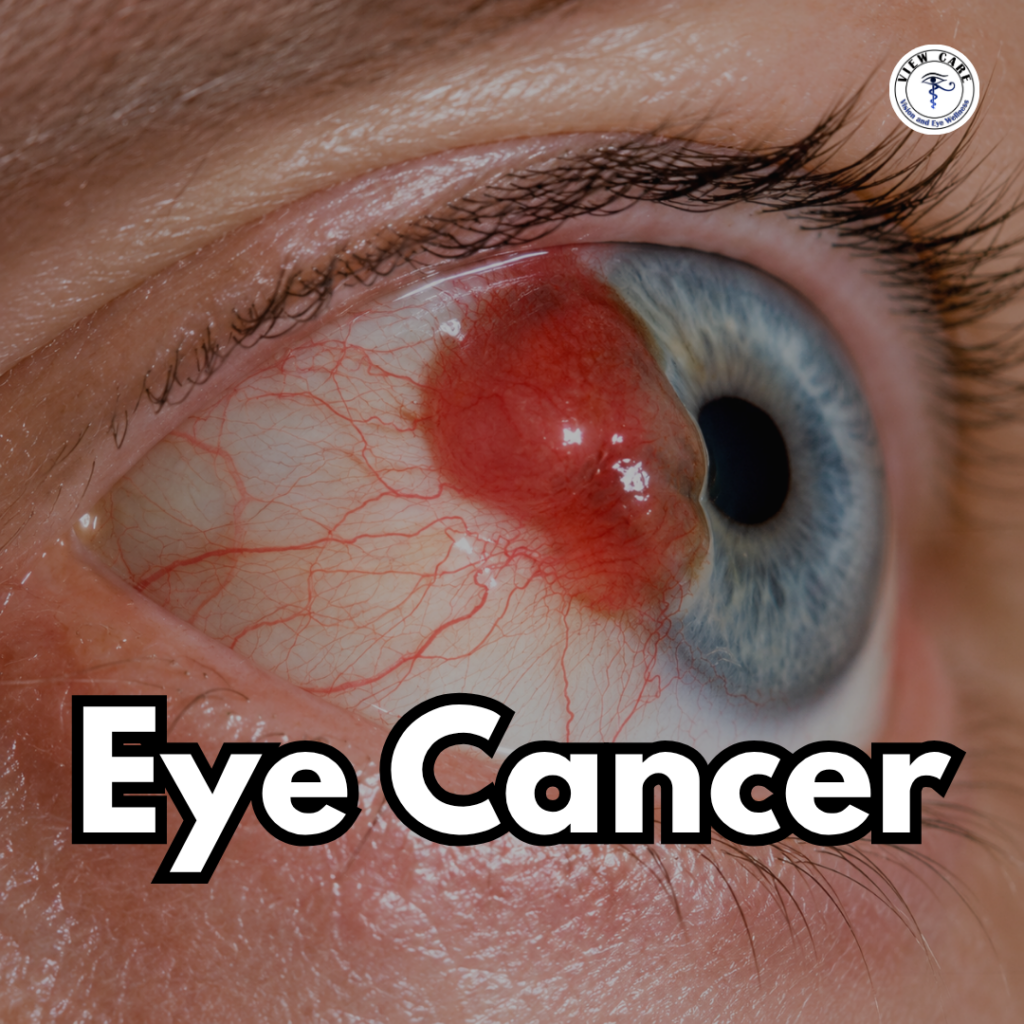
Eye cancer occurs when abnormal cells grow uncontrollably inside or around the eye. These tumors may develop in different parts of the eye and can be either benign (non-cancerous) or malignant (cancerous).
Some eye cancers start inside the eye, while others spread from another part of the body. Regardless of the type, early diagnosis by an experienced Eye doctor is essential.
Why Is an Eye Cancer Specialist Better Than a General
Cancer Specialist?
Many people assume that all cancers should be treated the same way. However, eye cancer requires highly specialized knowledge. An eye cancer specialist understands:
- Eye anatomy
- Vision preservation techniques
- Specialized imaging
- Microsurgical procedures
- Eye-specific radiation therapies
- Reconstruction of eyelids and surrounding tissues
A general cancer specialist may successfully treat many forms of cancer but may not have the specialized training required to preserve
eyesight while removing the tumor.
The best treatment plans often involve collaboration between an Ophthalmologist and an oncologist, ensuring that both cancer control and
vision preservation are prioritized.
Risk Factors for Eye Cancer
Although anyone can develop eye cancer, certain factors increase the risk. These include:
Age
Some eye cancers become more common with increasing age.
Excessive UV Exposure
Long-term exposure to sunlight without proper eye protection may increase the risk of certain eye tumors.
Family History
People with a family history of eye cancer or inherited genetic conditions may have a higher risk.
Fair Skin and Light-Colored Eyes
Research suggests that individuals with lighter eye colors may have a slightly increased risk for some types of eye cancer.
Previous Eye Conditions
Certain pigmented lesions or abnormal growths should be regularly monitored by an Eye specialist.
What Causes Eye Cancer?
The exact cause is often unknown. However, eye cancer develops when healthy cells undergo genetic changes and begin multiplying uncontrollably. Possible contributing factors include:
- Genetic mutations
- Environmental exposure
- Ultraviolet radiation
- Age-related changes
- Inheritedn conditions
Regular eye checkups and Eye test appointments help identify suspicious changes before they become advanced.
Common Symptoms of Eye Cancer
Eye cancer does not always cause symptoms in its early stages. As the disease progresses, patients may notice:
- Blurred vision
- Sudden loss of vision
- Dark spots in the visual field
- Flashes of light
- Floating spots
- Eye pain (less common)
- Bulging of the eye
- Swelling around the eye
- A visible lump on the eyelid or eye surface
- Change in pupil shape
- Persistent redness
These symptoms can also occur in non-cancerous conditions, but they should never be ignored.
Warning Signs That Need Immediate Attention
Consult an Eye doctor immediately if you experience:
- Sudden decrease in vision
- A growing lump around the eye
- Persistent redness lasting several weeks
- Eye swelling without injury
- Double vision
- Bulging eye
- Continuous flashes or floaters
Early diagnosis significantly improves treatment success.
How Is Eye Cancer Diagnosed?
A specialized Eye clinic uses advanced diagnostic tools to identify tumors accurately. These may include:
Comprehensive Eye Examination
A detailed examination helps evaluate the retina, optic nerve, and internal eye structures.
Digital Eye Imaging
High-resolution photographs allow specialists to monitor tumor growth.
Ocular Ultrasound
This painless test provides information about the size and location of the tumor.
OCT Scanning
Advanced retinal imaging helps evaluate deeper eye structures.
MRI or CT Scan
These imaging techniques determine whether cancer has spread beyond the eye. Early evaluation at an experienced Eye hospital in Delhi can prevent delays in treatment.
Treatment Options for Eye Cancer
Treatment depends on the type, size, and location of the tumor.
Observation
Very small tumors that are not growing may simply be monitored with regular Eye checkup visits.
Laser Therapy
Certain small tumors can be treated using specialized laser techniques.
Radiation Therapy
Highly focused radiation destroys cancer cells while preserving surrounding tissues. This is one of the most commonly used treatments for eye cancer.
Eye Surgery
Some tumors require surgical removal. Modern microsurgical techniques allow specialists to remove tumors while preserving as much vision as possible.
Targeted Therapy
Certain cancers respond to medications that specifically attack abnormal cells.
Chemotherapy
Chemotherapy may be recommended when cancer has spread or in selected cases. The treatment plan is customized for every patient after careful evaluation.
Why Early Diagnosis Matters
Many patients delay visiting an Eye specialist because they believe blurred vision or redness is due to fatigue or age. Unfortunately, waiting can allow the tumor to grow larger. Early diagnosis offers several advantages:
- Better chance of preserving vision
- Less extensive treatment
- Higher treatment success rates
- Lower risk of cancer spreading
- Faster recovery
Routine Eye test appointments can detect problems before symptoms become severe.
When Should You Visit an Eye Specialist?
Book an appointment immediately if you notice:
- Persistent blurred vision
- New floaters or flashes
- Eye swelling
- A visible eye lump
- Bulging of one eye
- Unexplained vision loss
- Persistent eye pain
People with a family history of eye cancer should undergo regular Eye checkup examinations even if they have no symptoms.
Can Eye Cancer Be Prevented?
Not every case can be prevented, but certain habits may reduce risk:
- Wear UV-protective sunglasses
- Attend regular eye examinations
- Avoid smoking
- Eat a healthy diet rich in fruits and vegetables
- Report any new eye symptoms early
- Protect your eyes from harmful radiation
Regular visits to an Eye hospital in Delhi or a trusted Eye clinic help detect abnormalities at the earliest stage.
Success Story 1: Rajesh’s Journey
Rajesh, a 48-year-old office professional, noticed occasional flashes of light but ignored them for months. During a routine Eye checkup, an experienced Eye specialist identified a small eye tumor. Because the diagnosis was made early, Rajesh received specialized treatment that preserved both his vision and his eye. Today, he continues his normal life with regular follow-up visits and excellent vision.
Success Story 2: Meera’s New Beginning
Meera, a 35-year-old teacher, developed a painless swelling on her eyelid. Initially, she assumed it was a simple infection. After consulting an Ophthalmologist at View Care, further evaluation revealed an early-stage eye tumor. The tumor was successfully removed through specialized surgery, and reconstructive techniques restored the natural appearance of her eyelid. Today, Meera is cancer-free, has normal vision, and encourages everyone to never ignore unusual eye changes.
Conclusion
Eye cancer is rare, but its impact on vision and overall health can be life-changing. Choosing the right specialist is one of the most important decisions a patient can make. An experienced Eye specialist combines expertise in vision preservation with advanced cancer management, offering the best chance for successful treatment.
Whether you are searching for an Eye specialist Delhi, Eye specialist Mayur Vihar Phase 1, Eye specialist Laxmi Nagar, Best eye specialist near me, Top 5 eye doctor near me, or a trusted Eye hospital Delhi like View Care, timely consultation can make all the difference.
Remember, protecting your eyesight begins with awareness. Never ignore persistent eye symptoms, schedule regular Eye checkup and Eye test appointments, and seek expert care whenever something feels unusual.