

Squint Treatment in Delhi – View Care Eye Centre
Squint, also called strabismus, is a condition in which both eyes do not look in the same direction. One eye may turn inward, outward, upward or downward. It can affect both children and adults.
At View Care Eye Centre in Mayur Vihar, Delhi, patients can receive an eye examination to understand the cause of squint and discuss suitable treatment options.

What Is Squint (Strabismus)?
Squint occurs when the eyes are not properly aligned. The misalignment may be constant or appear occasionally, particularly when a person is tired or focusing on an object.
In children, squint can sometimes affect visual development and lead to lazy eye (amblyopia). Adults may experience double vision, eye strain or difficulty judging distances.
Early examination helps identify the type of squint and whether treatment is required.
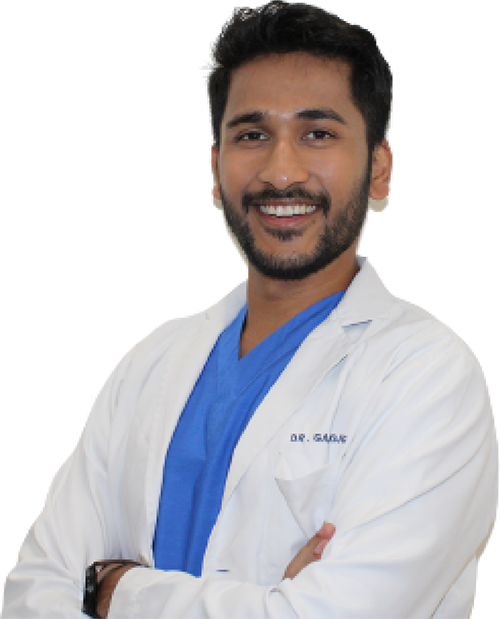
Squint Consultation with Dr. Gaurav Garg
If you or your child has misaligned eyes, a detailed examination can help identify the possible cause and assess the effect on vision.
Dr. Gaurav Garg provides eye consultations at View Care Eye Centre, Mayur Vihar, Delhi. Based on the examination findings, patients can receive guidance on treatment options or further specialist assessment when needed.
Why Choose View Care Eye Centre for Squint Evaluation?
- Detailed Eye Examination: Assessment of vision, eye alignment and eye movements.
- Patient-Focused Care: Guidance based on the patient’s age, symptoms and examination findings.
- Eye Care for Children and Adults: Evaluation of eye alignment concerns across different age groups.
- Convenient Location: Located in Mayur Vihar, Delhi, for patients from nearby areas.
Symptoms of Squint
Squint may be present from childhood or develop later in life.
Common symptoms include:
- One eye turning inward or outward
- Eyes appearing misaligned
- Double vision
- Tilting or turning the head while focusing
- Closing one eye to see clearly
- Difficulty judging distances
- Reduced vision in one eye
Possible causes include:
- Problems with eye muscle coordination
- Uncorrected long-sightedness
- Family history of squint
- Reduced vision in one eye
- Eye injuries
- Certain nerve or neurological conditions
Sudden eye misalignment or new double vision requires prompt medical assessment, particularly when accompanied by a severe headache, weakness or other neurological symptoms.
Types of Squint
Esotropia (Inward Squint): One eye turns towards the nose. It may sometimes be associated with long-sightedness.
Exotropia (Outward Squint): One eye turns outward. The misalignment may be constant or intermittent.
Hypertropia (Upward Squint): One eye is positioned higher than the other.
Hypotropia (Downward Squint): One eye is positioned lower than the other.
An ophthalmologist can determine the type of squint through an eye examination.
How Is Squint Diagnosed and Treated?
An eye specialist may assess visual acuity, eye alignment, eye movements and binocular vision. A refraction test may also be performed to check whether prescription glasses are needed.
Treatment depends on the patient’s age, type of squint and underlying cause.
Prescription Glasses: May improve some types of squint, particularly when associated with long-sightedness.
Amblyopia Treatment: Eye patching or prescribed drops may help improve reduced vision in selected children.
Prism Glasses: May help certain patients manage double vision.
Eye Exercises: May be useful for specific eye coordination problems but are not suitable for all types of squint.
Squint Surgery: In selected cases, surgery may be recommended to improve eye alignment by adjusting the eye muscles.
Not every patient needs surgery. Treatment is chosen after an appropriate assessment.
Book a Squint Consultation in Delhi
If you notice unusual eye alignment in yourself or your child, don’t ignore it. An eye examination can help identify the problem and determine the next steps.
Contact View Care Eye Centre in Mayur Vihar, Delhi, to arrange a consultation with Dr. Gaurav Garg.
Frequently Asked Questions
Yes. Some types of squint can improve with prescription glasses or other non-surgical treatment. Surgery may be needed in selected cases.
Squint can occur in children, and early assessment is important because persistent eye misalignment may affect visual development.
Yes. Squint may develop in adulthood due to eye muscle, nerve or other medical problems. New-onset squint should be assessed by an eye specialist.
It can. Children may develop lazy eye, while adults may experience double vision or reduced depth perception.
Squint surgery is performed under anaesthesia, so patients should not feel pain during the procedure. Temporary soreness or discomfort may occur afterwards.
You can book an eye consultation at View Care Eye Centre in Mayur Vihar, Delhi, to discuss squint symptoms and suitable next steps.