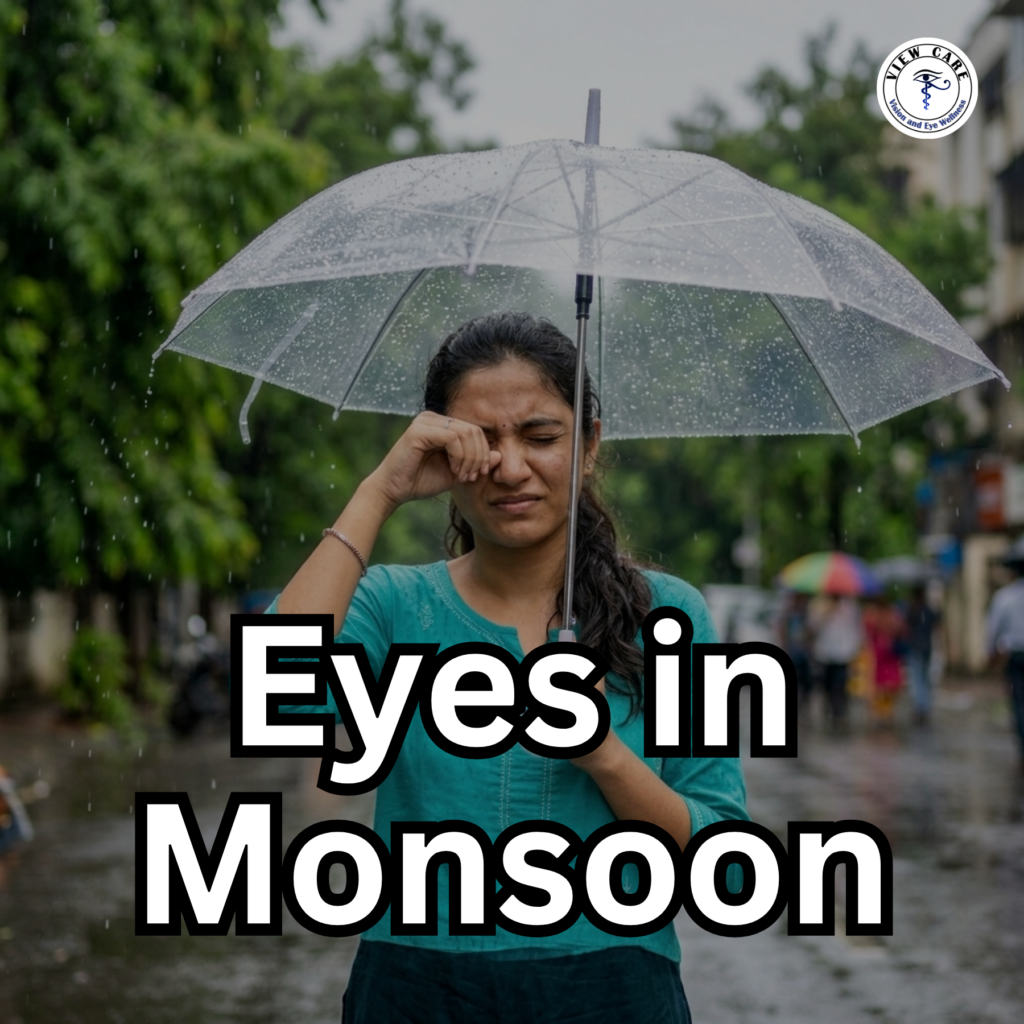
The monsoon season brings cool weather, refreshing rain, and
relief from the summer heat. While most people enjoy this season, very few
realise that it also increases the risk of eye infections and other eye
problems. Rainwater, humidity, dust, bacteria, and viruses create the perfect
environment for germs to spread, making your eyes more vulnerable.
Many people ignore symptoms such as redness, itching,
watering, or sticky discharge, assuming they will disappear on their own.
Unfortunately, delaying treatment can sometimes lead to serious complications
that affect your vision.
The good news is that most monsoon-related eye problems can
be prevented with proper hygiene, regular Eye checkup, and timely
treatment from an experienced Eye specialist.
At View Care Eye Hospital, our experienced Eye doctor and Ophthalmologist help patients of all ages maintain healthy eyes throughout the year. Whether you need a routine Eye test or treatment for an infection, our team is committed to providing safe and effective care.
Why Are Eye Problems More Common During the Monsoon?
During the rainy season, moisture levels remain high,
allowing bacteria, viruses, and fungi to survive longer. Dirty rainwater,
contaminated hands, shared towels, and crowded public places increase the
chances of eye infections.
People often rub their eyes after touching contaminated
surfaces, unknowingly transferring germs directly to the eyes. Swimming in
poorly maintained pools and exposure to polluted rainwater can further increase
the risk.
Although anyone can develop an eye infection, maintaining
good hygiene significantly reduces the chances.
Who Is at Greater Risk?
Some people are more likely to develop eye problems during
the monsoon than others.
You may have a higher risk if you:
- Wear
contact lenses regularly
- Have
allergies
- Have
diabetes
- Frequently
travel in crowded places
- Work
outdoors
- Swim
in public pools
- Have
weak immunity
- Already
suffer from dry eyes
- Frequently
touch or rub your eyes
Children and elderly individuals are also more vulnerable because infections spread more easily among them.
Common Causes of Eye Problems During Monsoon
Several factors contribute to eye infections during the
rainy season.
Poor Hand Hygiene
Touching your eyes with dirty hands transfers germs directly
onto the eye surface.
Viral Infections
Viral eye infections spread quickly among family members,
schools, and workplaces.
Bacterial Infections
Bacteria thrive in warm and humid weather, increasing the
chances of eye infections.
Allergies
Pollen, dust, mould, and damp environments often trigger
itchy and watery eyes.
Contact Lens Misuse
Wearing lenses for long hours or cleaning them improperly
increases infection risk.
Polluted Water
Rainwater and contaminated swimming pools may carry harmful
microorganisms.
Symptoms You Should Never Ignore
Eye infections often begin with mild discomfort but can
worsen quickly.
Watch out for symptoms such as:
- Red
eyes
- Itching
- Watering
- Burning
sensation
- Sticky
discharge
- Swollen
eyelids
- Blurred
vision
- Light
sensitivity
- Pain
while blinking
- Feeling
like something is stuck inside the eye
If these symptoms persist beyond a day or worsen, consult an
Eye specialist immediately.
Signs That Require Immediate Medical Attention
Some warning signs indicate that you should not delay
treatment.
Visit an Eye hospital immediately if you experience:
- Severe
eye pain
- Sudden
vision loss
- Increasing
redness
- Thick
yellow or green discharge
- Swelling
around the eye
- High
fever with eye swelling
- Difficulty
opening the eye
- Eye
injury during rainfall
Early diagnosis can prevent permanent damage.
How Can You Protect Your Eyes During the Monsoon?
Fortunately, simple daily habits can keep your eyes healthy.
Wash Your Hands Frequently
Clean hands reduce the spread of bacteria and viruses.
Avoid Touching Your Eyes
Rubbing your eyes can transfer germs and worsen irritation.
Wear Protective Eyewear
Use sunglasses or protective glasses while travelling in
dusty or rainy weather.
Keep Contact Lenses Clean
Follow proper cleaning instructions and avoid wearing lenses
for extended periods.
Don’t Share Personal Items
Never share towels, handkerchiefs, eye makeup, or contact
lenses.
Stay Hydrated
Drinking enough water helps maintain healthy tear
production.
Maintain Eye Hygiene
Wash your face regularly and gently clean your eyelids if
needed.
Schedule Regular Eye Checkups
Routine Eye checkup helps identify problems before
they become serious.
How Are Eye Problems Diagnosed?
When you visit View Care Eye Hospital, an experienced
Ophthalmologist carefully examines your eyes.
The evaluation may include:
- Detailed
medical history
- Vision
assessment
- Eye
examination using specialised instruments
- Eye
test to check visual clarity
- Examination
of eyelids and tear film
- Assessment
for infection or allergy
These painless tests help identify the exact cause and guide
the best treatment.
Treatment Options
Treatment depends on the underlying cause of your symptoms.
Lubricating Eye Drops
These provide relief from dryness and irritation.
Antibiotic Eye Drops
Used only when bacterial infection is confirmed.
Antiviral Medicines
Recommended for specific viral infections.
Anti-Allergy Medication
Helpful in reducing itching and swelling caused by
allergies.
Warm or Cold Compress
Depending on the condition, your Eye doctor may
advise compress therapy.
Contact Lens Break
Patients with infections are usually advised to stop wearing
contact lenses until complete recovery.
Never use over-the-counter eye drops without medical advice,
especially steroid-containing drops, as they can worsen certain eye conditions.
When Should You Visit an Eye Specialist?
Many people wait several days before seeking medical help.
This delay can increase the risk of complications.
Visit an Eye specialist if:
- Symptoms
last longer than 24–48 hours
- Pain
increases
- Vision
becomes blurry
- Swelling
worsens
- You
wear contact lenses
- There
is pus-like discharge
- Symptoms
keep returning
If you are searching for the Best eye specialist near me,
Eye specialist Delhi, Eye specialist Mayur Vihar Phase 1, or Eye
specialist Laxmi Nagar, choosing an experienced team can make all the
difference.
What Can Happen If Eye Problems Are Ignored?
Ignoring symptoms may lead to:
- Severe
infections
- Corneal
ulcers
- Vision
problems
- Long-term
discomfort
- Spread
of infection to family members
- Longer
recovery time
Early treatment is always safer and more effective.
Happy Patient Stories
Story 1: A Quick Visit Saved Riya’s Vision
Riya, a 29-year-old software professional, noticed redness
and watering after travelling in heavy rain. She assumed it was due to
tiredness. When her symptoms worsened the next day, she visited View Care
Eye Hospital. After a thorough Eye test, the Eye doctor
diagnosed an early eye infection and started treatment immediately. Within a
week, her eyes recovered completely, allowing her to return to work without any
complications.
Story 2: Regular Eye Checkups Helped Mr. Sharma
Mr. Sharma, aged 62, had diabetes and often experienced
irritation during the monsoon. Instead of ignoring the problem, he scheduled a
routine Eye checkup at View Care Eye Hospital. The Ophthalmologist
identified early inflammation and started timely treatment. His symptoms
improved quickly, and regular follow-ups helped protect his vision throughout
the season.
Why Choose View Care Eye Hospital?
Healthy vision deserves expert care. At View Care Eye
Hospital, patients receive comprehensive eye care from experienced
specialists using modern diagnostic equipment. Whether you need a routine Eye
test, treatment for an eye infection, or advice on maintaining healthy eyes
during the rainy season, our dedicated team is here to help.
If you are looking for an Eye hospital Delhi, Eye
hospital in Delhi, Best eye hospital in Delhi, or an experienced Eye
clinic with compassionate care, View Care Eye Hospital offers
personalised treatment for every patient.
Final Thoughts
The monsoon season should be enjoyed without worrying about
eye infections. Simple habits like washing your hands, avoiding rubbing your
eyes, keeping contact lenses clean, and scheduling regular Eye checkups
can go a long way in protecting your vision.
Never ignore symptoms such as redness, pain, blurred vision,
or discharge. Early diagnosis and timely treatment from a qualified Eye
specialist can prevent complications and ensure faster recovery.
Your eyes work hard for you every day—give them the care
they deserve. If you notice any unusual symptoms this monsoon, visit View
Care Eye Hospital for a comprehensive Eye checkup and expert
guidance from an experienced Eye doctor and Ophthalmologist.
Healthy eyes mean a healthier, happier life.