

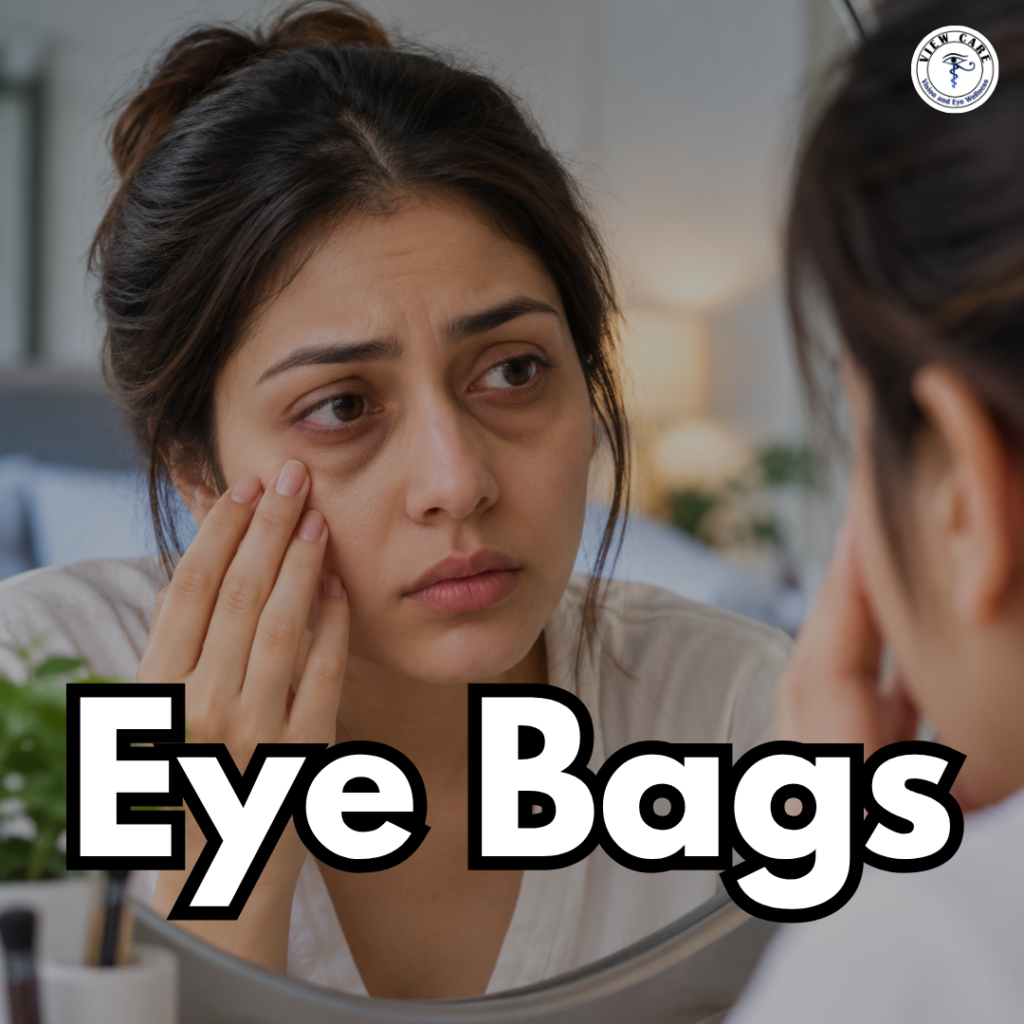
You may be getting enough sleep but still look tired when you look in the mirror. Under-eye bags, puffiness, loose skin and changes in the tissues around the lower eyelids can all contribute to a tired-looking face. Aging and genetics are common causes, while fluid retention, allergies and lack of sleep can make the appearance more noticeable.
The important point is that looking tired does not always mean you are actually tired. Sometimes, the appearance is related to the natural structure and aging of the area beneath your eyes.
What Are Under-Eye Bags?
Under-eye bags are mild swelling or puffiness beneath the eyes. They may appear as:
· Puffy or swollen lower eyelids
· Loose or sagging skin
· A bulging appearance beneath the eyes
· Dark circles or shadows
· A tired or aged appearance
As we age, the tissues and muscles supporting the eyelids can become weaker. The skin may lose elasticity, and fat that normally supports the eyes can become more prominent in the lower eyelid area. Fluid can also collect beneath the eyes, increasing puffiness.
Why Do You Look Tired Even After Sleeping?
1. Aging
Aging is one of the most common reasons for persistent under-eye bags.
With age, the skin around the eyes becomes less elastic and the supporting tissues can weaken. Fat around the eye may become more prominent in the lower eyelid, creating a fuller or baggy appearance.
So, even if you are sleeping well, age-related changes can still make your eyes appear tired.
2. Genetics
Look at your family. If parents or close relatives have noticeable under-eye bags, you may also be more likely to develop them.
Genetics can influence the amount and position of fat around the eyes, skin characteristics and the natural shape of the lower eyelid.
3. Fluid Retention
Sometimes the puffiness is partly due to fluid accumulating beneath the eyes.
It may be more noticeable when you wake up or after eating a salty meal. Sleeping flat can also contribute to fluid collecting around the lower eyelids.
This type of puffiness may improve during the day.
4. Allergies
Allergies can cause swelling around the eyes and may be accompanied by itching, watering or irritation.
If your under-eye puffiness comes and goes along with allergy symptoms, treating the underlying allergy may help reduce the swelling.
5. Lack of Sleep
Not getting enough sleep can make the under-eye area look more tired and puffy. However, sleep is not always the main reason for persistent eye bags.
If you regularly sleep well but still have prominent bags, the cause may be related to genetics, aging or the structure of your lower eyelids.
6. Smoking and Other Lifestyle Factors
Smoking can contribute to the appearance of under-eye bags and skin aging. Fluid retention and certain lifestyle factors can also make puffiness more noticeable.
Under-Eye Bags vs Dark Circles: What’s the Difference?
Under-eye bags and dark circles are often confused, but they are not the same.
Under-eye bags mainly refer to puffiness, bulging or loose tissue beneath the eyes.
Dark circles refer to darker-looking skin or shadowing beneath the eyes.
They can occur together. In some people, hollows beneath the eyes can create shadows that make the area appear darker and contribute to a tired appearance.
This is why simply getting more sleep may not completely change the appearance of the under-eye area.
Can You Reduce Under-Eye Puffiness at Home?
If your puffiness is temporary, a few simple measures may help.
Use a cool compress
A clean, cool compress placed gently around the eyes for a few minutes may temporarily reduce puffiness.
Limit excessive salt
A high-salt diet can contribute to fluid retention. Reducing excessive salt intake may help minimize fluid-related puffiness.
Get adequate sleep
For most adults, 7–9 hours of sleep is generally recommended. Adequate sleep may help when sleep deprivation is contributing to a tired appearance.
Manage allergies
If allergies are causing swelling around your eyes, identifying and managing the trigger may help.
Avoid smoking
Stopping smoking can benefit overall skin health and may help reduce factors that worsen the appearance of under-eye bags.
These measures may help temporary puffiness, but they cannot necessarily remove structural under-eye bags caused by changes in fat, skin or supporting tissues.
When Are Under-Eye Bags More Than a Cosmetic Concern?
Most under-eye bags are harmless and are primarily a cosmetic concern. However, persistent or unusual swelling should not automatically be assumed to be caused by lack of sleep.
See an eye specialist or healthcare professional if under-eye swelling is accompanied by:
· Vision problems
· Significant eye irritation
· Headaches
· A skin rash
· Sudden or unusual swelling
· Other symptoms affecting the eyes or general health
A healthcare professional may consider other possible causes, including allergies, thyroid-related conditions, infection or certain inflammatory conditions.
What Treatments Are Available for Under-Eye Bags?
Treatment depends on what is actually causing the under-eye appearance.
Non-Surgical Treatments
Depending on the problem, a specialist may discuss treatments such as:
· Management of allergies
· Skin treatments
· Laser resurfacing
· Chemical peels
· Dermal fillers for selected types of under-eye hollowness
These treatments address different concerns, so one treatment is not suitable for everyone. For example, a filler may be considered for certain hollows but does not remove prominent lower-eyelid fat.
Lower Eyelid Blepharoplasty
When prominent bags are caused by excess or displaced fat, loose skin or other structural changes, lower eyelid blepharoplasty may be considered.
Blepharoplasty is an eyelid surgery that can address excess skin and fatty deposits around the eyelids. Depending on the patient’s anatomy, the surgeon may remove or reposition fat and address excess skin.
Because the lower eyelid is a delicate area, treatment should be planned after an examination by an appropriately trained eye or oculoplastic specialist.
Can Everyone With Eye Bags Have the Same Treatment?
No.
Under-eye concerns can result from different combinations of:
· Fat prominence
· Loose skin
· Fluid retention
· Hollowing
· Pigmentation
· Aging-related tissue changes
· Allergies
Therefore, treatment needs to be based on the underlying cause rather than simply treating every under-eye concern as an “eye bag.”
A proper examination can help determine whether home care, medical treatment, a non-surgical procedure or eyelid surgery is appropriate.
Illustrative Patient Story
A person may sleep for 7–8 hours every night and still notice prominent bags beneath the eyes. During an examination, the appearance may be found to be related mainly to lower-eyelid fat prominence and age-related tissue changes rather than inadequate sleep.
In such a situation, simply sleeping longer may not remove the bags. A specialist can explain the available options based on the person’s eyelid anatomy and concerns.
This is an illustrative example and does not describe an actual View Care patient.
When Should You See an Eye Specialist?
Consider an evaluation if your under-eye bags:
· Remain noticeable despite adequate sleep
· Are becoming more prominent
· Are affecting your confidence or appearance
· Are associated with persistent swelling
· Occur with vision changes or eye discomfort
· Develop suddenly or mainly affect one side
An ophthalmologist or oculoplastic specialist can assess the eyelids and surrounding tissues and help determine the underlying cause.
The Bottom Line
Looking tired does not always mean you need more sleep.
If you look tired even after a good night’s sleep, the reason may be under your eyes—not your sleep.
Also Read: Could Tuberculosis Affect Your Eyes? Understanding Ocular Tuberculosis
Quick Answers
Why do I have eye bags even after sleeping well?
Under-eye bags can remain even after adequate sleep because they may be related to aging, genetics, fluid retention, allergies or structural changes in the lower eyelids. Sleep can help with temporary puffiness but may not change permanent or age-related under-eye bags.
Can lack of sleep cause under-eye bags?
Yes. Lack of sleep can make under-eye puffiness and a tired appearance more noticeable. However, persistent bags can have other causes, including genetics, aging and changes in the tissues around the eyes.
Can under-eye bags be treated?
Yes, depending on the cause. Temporary puffiness may improve with lifestyle measures, while selected patients may be considered for non-surgical treatments or lower eyelid blepharoplasty.
Are under-eye bags the same as dark circles?
No. Under-eye bags mainly involve puffiness or bulging, while dark circles involve darker skin or shadowing. Both can occur together and contribute to a tired-looking appearance.
Also Read: Can Vitiligo Affect Your Eyes? Learn the Facts, Risks, & Treatments
FAQs
1. Why do I look tired even after 8 hours of sleep?
Under-eye bags, dark circles, facial structure, allergies and age-related changes can make you look tired even when you are getting adequate sleep.
2. Do under-eye bags go away naturally?
Temporary puffiness may improve during the day or with lifestyle changes. Structural under-eye bags caused by aging or prominent fat may persist.
3. Can drinking less water reduce eye bags?
Excessive fluid intake close to bedtime may contribute to morning puffiness, but adequate hydration remains important. Under-eye bags caused by structural changes will not usually disappear simply by changing water intake.
4. What is the treatment for permanent under-eye bags?
Treatment depends on the cause. When prominent lower-eyelid fat or loose skin is responsible, a specialist may discuss lower eyelid blepharoplasty.
5. Which doctor treats under-eye bags?
An ophthalmologist with expertise in oculoplasty or an oculoplastic specialist can assess the lower eyelids and discuss suitable treatment options.