Most of us have heard this advice since childhood:
“Eat carrots—they’ll improve your eyesight.”
Parents often encourage children to eat carrots, believing
they are the secret to perfect vision. While carrots are undoubtedly good for
your eyes, they are not a magical cure that can remove glasses or reverse every
eye problem.
So, how much of this popular belief is actually true?
In this article, we’ll explain the real relationship between
carrots and eye health, the nutrients that support healthy vision, when
carrots can help, when they cannot, and why regular eye examinations remain the
best way to protect your eyesight.
Whether you’re trying to maintain healthy vision or simply
want to understand the facts, this guide will help you make informed decisions.
Why Are Carrots Considered Good for the Eyes?
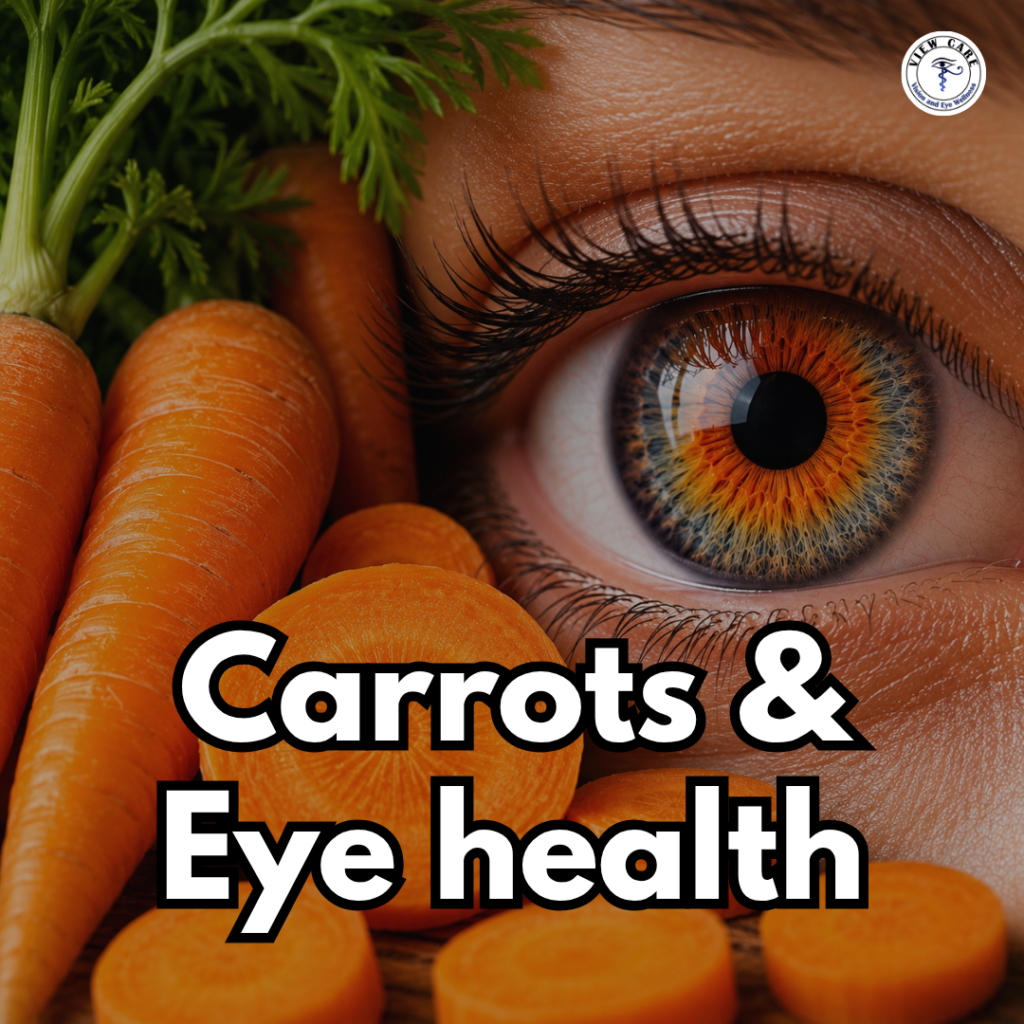
Carrots are one of the richest natural sources of beta-carotene, a nutrient that your body converts into Vitamin A. Vitamin A plays a very important role in maintaining healthy vision. It helps:
- Keep
the surface of the eyes healthy
- Support
clear vision in dim light
- Protect
the cornea
- Maintain
tear production
- Support
the immune system to fight eye infections
Without enough Vitamin A, your eyes cannot function
properly.
This is why carrots have earned their reputation as an
eye-friendly food.
Can Carrots Actually Improve Eyesight?
The answer is both yes and no. Carrots can improve eyesight only if poor vision is caused by Vitamin A deficiency.
If someone is lacking Vitamin A, eating carrots or increasing Vitamin A intake can significantly improve eye health and reduce symptoms such as poor night vision. However, carrots cannot:
- Remove
spectacle power
- Cure
cataracts
- Reverse
glaucoma
- Treat
retinal diseases
- Fix
lazy eye
- Correct
refractive errors
- Heal
eye injuries
If your vision problem is due to these conditions, you need
proper treatment from an Eye specialist or Eye doctor.
What Makes Carrots Healthy for Your Eyes?
Carrots contain several nutrients that support healthy
vision.
1. Beta-Carotene
Beta-carotene converts into Vitamin A, which supports
healthy vision and protects the eye’s surface.
2. Vitamin A
Vitamin A helps:
- Night
vision
- Corneal
health
- Tear
production
- Immune
protection
3. Lutein
Lutein helps protect the retina from harmful blue light. It also supports long-term eye health.
4. Zeaxanthin
This antioxidant works together with lutein to reduce damage
caused by sunlight and aging.
5. Antioxidants
Carrots contain antioxidants that help reduce damage caused by free radicals. Although they cannot prevent every eye disease, they contribute to healthier eyes over time.
How Do Carrots Support Healthy Vision?
Regular consumption of carrots may help:
- Reduce
the risk of Vitamin A deficiency
- Support
healthy retinal function
- Improve
night vision in deficient individuals
- Keep
the cornea healthy
- Reduce
dry eye caused by nutritional deficiency
- Support
overall eye health
Remember, carrots work best as part of a healthy diet—not as
a medicine.
Who Is at Risk of Vitamin A Deficiency?
Certain people are more likely to develop Vitamin A deficiency. These include:
- Children
with poor nutrition
- Elderly
individuals
- People
with digestive disorders
- Individuals
with liver disease
- People
with poor dietary habits
- Those
who avoid fruits and vegetables
- Patients
with long-term intestinal disorders
If left untreated, Vitamin A deficiency can seriously affect
vision.
Signs and Symptoms of Vitamin A Deficiency
Symptoms may develop gradually. Common signs include:
- Difficulty
seeing at night
- Dry
eyes
- Frequent
eye infections
- Dry
skin
- Poor
tear production
- Eye
discomfort
- Blurred
vision
- White
patches on the eye
- Increased
sensitivity to light
If these symptoms appear, consult an Eye doctor
immediately.
What Eye Problems Cannot Be Fixed by Carrots?
Many people believe eating lots of carrots can cure every eye disease. Unfortunately, this is a myth.
Carrots cannot treat:
Cataracts
Clouding of the natural eye lens requires surgery.
Glaucoma
This disease damages the optic nerve due to increased eye pressure. It needs lifelong monitoring.
Refractive Errors
These include:
- Nearsightedness
- Farsightedness
- Astigmatism
These require glasses, contact lenses, or laser vision
correction.
Diabetic Eye Disease
Diabetes damages the retina and needs specialized treatment.
Retinal Detachment
This is an emergency requiring surgery.
Age-Related Macular Degeneration
This condition affects central vision and needs professional
care.
Causes of Poor Vision
Poor eyesight can occur due to many reasons. Common causes include:
- Aging
- Diabetes
- High
blood pressure
- Eye
injuries
- Genetic
conditions
- Long
screen time
- Eye
infections
- Cataracts
- Glaucoma
- Retinal
diseases
- Vitamin
deficiencies
Because there are many possible causes, an Eye test
is essential before assuming carrots will solve the problem.
Signs That You Should Visit an Eye Specialist
Don’t ignore changes in your vision. Visit an Eye specialist if you notice:
- Blurred
vision
- Double
vision
- Sudden
vision loss
- Flashes
of light
- Floaters
- Eye
pain
- Red
eyes
- Persistent
watering
- Difficulty
reading
- Frequent
headaches
- Trouble
driving at night
Early diagnosis often prevents permanent vision loss.
How Are Eye Problems Diagnosed?
A complete Eye checkup usually includes:
- Vision
testing
- Eye
pressure measurement
- Retina
examination
- Corneal
evaluation
- Slit
lamp examination
- Dilated
eye examination when needed
Regular eye examinations help detect diseases before
symptoms appear.
Treatment Options
Treatment depends entirely on the cause. Your Ophthalmologist may recommend:
Glasses
For refractive errors.
Contact Lenses
Suitable for many vision problems.
Eye Drops
Used for infections, allergies, glaucoma, and dry eyes.
Nutritional Supplements
Recommended when nutritional deficiency is diagnosed.
Laser Treatment
Helpful for selected retinal or refractive conditions.
Surgery
Needed for:
- Cataracts
- Retinal
detachment
- Certain
corneal diseases
- Eyelid
conditions
Treatment should always be personalized after a proper
examination.
Can Eating Too Many Carrots Be Harmful?
Carrots are generally very safe.
However, eating extremely large amounts over a long period may cause a harmless condition called carotenemia, where the skin develops a yellow-orange tint. This does not damage the eyes and usually improves after reducing carrot intake. Moderation is always the best approach.
Foods That Support Healthy Eyes Along with Carrots
For healthy eyes, include a variety of foods such as:
- Spinach
- Kale
- Sweet
potatoes
- Pumpkin
- Eggs
- Fish
rich in Omega-3
- Citrus
fruits
- Almonds
- Walnuts
- Bell
peppers
- Tomatoes
- Broccoli
A colorful plate often provides a wide range of nutrients
for your eyes.
How to Keep Your Eyes Healthy
Good eye care involves more than just eating carrots. Follow these healthy habits:
- Eat
a balanced diet.
- Wear
sunglasses outdoors.
- Avoid
smoking.
- Drink
enough water.
- Sleep
well.
- Take
regular screen breaks.
- Control
diabetes and blood pressure.
- Wear
protective eyewear during risky activities.
- Schedule
routine eye examinations.
Small daily habits make a big difference over time.
Possible Complications of Ignoring Eye Problems
Ignoring symptoms can lead to:
- Permanent
vision loss
- Advanced
glaucoma
- Severe
dry eye
- Corneal
damage
- Retinal
complications
- Reduced
quality of life
- Increased
risk of falls in older adults
Early treatment is always safer than waiting.
When Should You Seek Immediate Medical Help?
Visit an Eye hospital immediately if you experience:
- Sudden
loss of vision
- Severe
eye pain
- Eye
injury
- Chemical
exposure
- Sudden
flashes with many floaters
- Curtain-like
shadow in vision
- Sudden
double vision
These situations require urgent medical attention.
Two Inspiring Success Stories
Story 1: Better Vision Through Early Care
Mr. Rajesh, a 42-year-old office worker, believed that
increasing his carrot intake would solve his blurred vision. When the problem
persisted, he visited View Care, where a detailed examination revealed
early cataracts. After timely treatment, his vision improved significantly,
allowing him to return to work and enjoy daily life with clear eyesight.
Lesson:
Healthy eating is important, but regular eye examinations
help identify problems that food alone cannot fix.
Story 2: Night Vision Improved with Proper Nutrition
Eight-year-old Aarav often struggled to see in dim light.
His parents initially thought he simply needed more carrots. During an
evaluation at an Eye clinic, it was found that he had a Vitamin A
deficiency. With nutritional guidance, a balanced diet, and medical
supervision, his night vision improved within a few months.
Lesson:
Carrots can help when poor vision is linked to nutritional
deficiency, but professional evaluation is still essential.
Frequently Asked Questions
Can carrots remove my glasses?
No. Carrots cannot correct refractive errors.
Can carrots prevent blindness?
They help prevent blindness caused by Vitamin A deficiency
but cannot prevent every eye disease.
How many carrots should I eat?
One medium carrot a day as part of a balanced diet is
sufficient for most healthy individuals.
Should children eat carrots?
Yes. They provide important nutrients for growth and eye
health.
Are carrot supplements better?
Whole foods are generally preferred unless supplements are
advised by your doctor.
Final Thoughts
Carrots are an excellent addition to a healthy diet and
provide valuable nutrients that support eye health. However, they are not a
cure for every vision problem. If you notice changes in your eyesight, don’t
rely on home remedies alone. A timely Eye checkup can identify the real
cause and help protect your vision.
If you’re experiencing blurred vision, eye pain, redness, or
difficulty seeing at night, consult an experienced Eye specialist
without delay. At View Care, our dedicated team offers comprehensive Eye
tests, advanced diagnosis, and personalized treatment to help you maintain
healthy vision. Whether you’re searching for an Eye specialist Delhi, an
Eye specialist Mayur Vihar Phase 1, an Eye specialist Laxmi Nagar,
the Best eye hospital in Delhi, an Eye hospital Delhi, an Eye
hospital in Delhi, or looking online for the Best eye specialist near me
or Top 5 eye doctor near me, our experienced team is here to provide
trusted eye care for you and your family.