Introduction
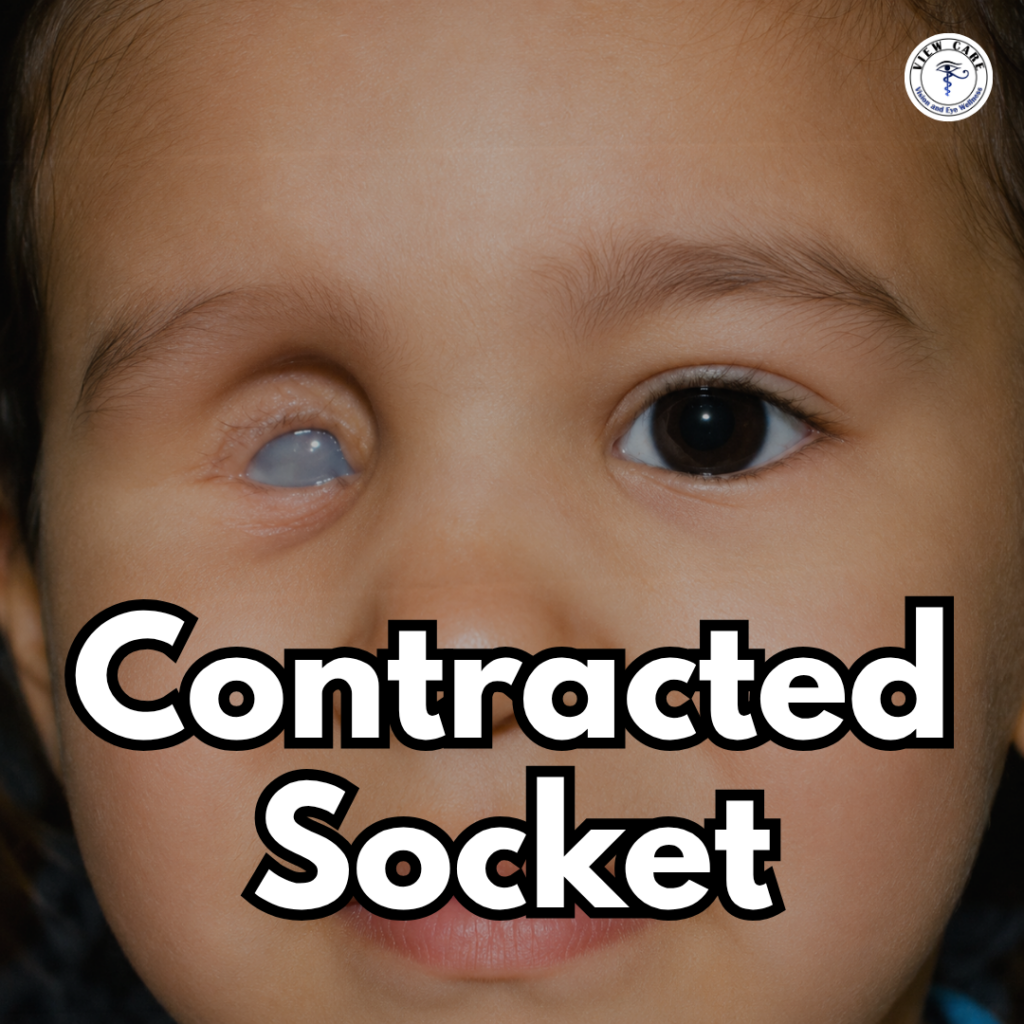
Losing an eye due to injury, infection, cancer, or a medical condition is already a life-changing experience. For many people, an artificial eye restores confidence and helps them return to their daily routine. However, sometimes the tissues around the eye shrink and tighten over time, making it difficult or even impossible to wear the artificial eye comfortably. This condition is known as Contracted Socket.
A contracted socket is not only a cosmetic concern but can also affect comfort, eye hygiene, and emotional well-being. The good news is that modern treatment options have made it possible for most patients to regain a healthy eye socket and comfortably wear an artificial eye again.
If you are looking for an Eye specialist, Eye doctor, Ophthalmologist, Eye hospital, Eye clinic, Eye specialist Delhi, Eye specialist Mayur Vihar Phase 1, Eye specialist Laxmi Nagar, Best eye hospital in Delhi, Eye hospital Delhi, Eye hospital in Delhi, View Care, Best eye specialist near me, Top 5 eye doctor near me, Eye checkup, or Eye test, understanding this condition is the first step toward better treatment and recovery.
What is a Contracted Socket?
A contracted socket is a condition in which the tissues inside the eye socket become scarred, shortened, and shrunken after the removal or loss of an eye. As a result, the socket loses its normal shape and volume, making it difficult to retain an artificial eye.
The condition may develop gradually over months or years and can range from mild to severe.
Why Does a Contracted Socket Develop?
The inside of the eye socket is lined by soft tissue that needs to remain healthy and flexible. Whenever there is repeated inflammation, poor healing, infections, or excessive scarring, these tissues begin to shrink.
As the tissues contract, the socket becomes smaller, reducing the space available for an artificial eye.
Risk Factors
Several factors increase the chances of developing a contracted socket.
Previous Eye Removal Surgery
People who have undergone eye removal surgery may develop socket contraction if healing is not ideal.
Trauma
Serious accidents or injuries affecting the eye and surrounding tissues can result in significant scarring.
Infection
Untreated or recurrent infections delay healing and increase scar formation.
Radiation Therapy
Patients receiving radiation treatment for eye tumors may experience tissue shrinkage.
Chemical Burns
Chemical injuries damage delicate tissues and often lead to severe scarring.
Poor Prosthesis Care
Not wearing the artificial eye properly or prolonged absence of a prosthesis may contribute to socket contraction.
Multiple Surgeries
Repeated surgical procedures increase scar tissue formation.
Common Causes
Contracted socket may occur because of:
- Eye removal surgery
- Severe eye injury
- Eye cancer surgery
- Chronic infections
- Chemical burns
- Radiation therapy
- Poor wound healing
- Autoimmune diseases
- Lack of regular follow-up with an eye specialist
Symptoms
Many people notice gradual changes instead of sudden problems.
Common symptoms include:
- Difficulty wearing an artificial eye
- Artificial eye repeatedly falling out
- Tightness inside the eye socket
- Reduced socket depth
- Discomfort while blinking
- Dryness
- Irritation
- Redness
- Increased discharge
- Cosmetic deformity
- Poor movement of the prosthetic eye
Signs an Eye Doctor May Notice
During an Eye checkup or Eye test, an Ophthalmologist may observe:
- Shallow eyelid folds
- Shortened socket lining
- Loss of socket volume
- Scar tissue formation
- Tight eyelids
- Difficulty fitting a prosthetic eye
- Poor movement of surrounding tissues
These findings help determine the severity of the condition and the best treatment approach.
How is a Contracted Socket Diagnosed?
Diagnosis is usually straightforward and involves a detailed examination by an experienced Eye specialist.
The evaluation may include:
Medical History
Your doctor will ask about previous surgeries, injuries, infections, or radiation therapy.
Physical Examination
The socket is examined carefully for scarring, tissue health, and depth.
Prosthetic Assessment
The fit and movement of the artificial eye are evaluated.
Imaging
In selected cases, CT scans or MRI scans help assess deeper structures.
Treatment Options
Treatment depends on the severity of contraction.
Mild Cases
Patients with mild contraction may benefit from:
- Lubricating eye drops
- Socket exercises
- Temporary conformers
- Custom-made prosthetic adjustments
- Regular follow-up
These simple measures often prevent further progression.
Moderate Cases
Moderate contraction usually requires:
Socket Expansion
Special conformers gradually stretch the tissues.
Custom Prosthesis
A personalized artificial eye improves comfort and appearance.
Scar Tissue Release
Minor surgery may be performed to improve socket size.
Severe Cases
Advanced contracted sockets often need reconstructive surgery.
Mucous Membrane Grafting
Healthy tissue from the inside of the mouth is used to rebuild the socket lining.
Amniotic Membrane Grafting
A biological membrane promotes healing and reduces scarring.
Skin Grafting
In selected patients, skin grafts help restore lost tissue.
Dermis Fat Grafting
The patient’s own tissue restores both lining and volume.
Socket Reconstruction
Complex surgery rebuilds the entire socket to allow proper prosthetic fitting.
Recovery After Treatment
Recovery varies depending on the procedure.
Most patients are advised to:
- Keep the socket clean
- Use prescribed medications regularly
- Avoid rubbing the eye area
- Attend scheduled follow-up visits
- Wear the conformer or prosthesis as instructed
- Report pain or excessive discharge immediately
Complete healing may take several weeks to a few months.
When Should You See an Eye Specialist?
Do not ignore symptoms if:
- Your artificial eye frequently falls out
- The socket becomes painful
- You notice increasing redness
- There is persistent discharge
- The socket appears to shrink
- Wearing the prosthesis becomes uncomfortable
- There is bleeding or swelling
Early treatment produces significantly better outcomes than delayed intervention.
Possible Complications
Without treatment, a contracted socket may lead to:
- Inability to wear an artificial eye
- Progressive cosmetic deformity
- Chronic irritation
- Recurrent infections
- Eyelid abnormalities
- Poor prosthetic movement
- Emotional distress
- Reduced quality of life
Fortunately, most of these complications are preventable with timely care.
Can a Contracted Socket Be Prevented?
Although not every case can be prevented, these measures help reduce the risk:
- Attend regular Eye checkup appointments
- Follow your Eye doctor’s instructions after surgery
- Maintain good prosthesis hygiene
- Treat infections promptly
- Wear protective eyewear during risky activities
- Never skip follow-up visits after eye removal surgery
Happy Success Story 1
Rajesh, 42 years old
Rajesh lost his eye in a road accident and gradually stopped wearing his artificial eye because it became uncomfortable. Over two years, the socket contracted significantly.
After undergoing socket reconstruction and receiving a custom-made prosthetic eye, he returned to work with renewed confidence. Today, he comfortably wears his artificial eye every day and enjoys social gatherings without hesitation.
Happy Success Story 2
Meena, 31 years old
Meena developed severe socket contraction following an eye infection. She was worried she would never be able to wear an artificial eye again.
Following reconstructive surgery and careful rehabilitation, she successfully received a customized prosthesis. She now leads an active lifestyle and says the treatment restored not only her appearance but also her self-confidence.
Why Early Treatment Matters
Contracted socket is a treatable condition, and modern reconstructive techniques have dramatically improved patient outcomes. The earlier the problem is identified, the simpler and more successful the treatment usually is.
Regular visits to an experienced Eye specialist, Eye doctor, or Ophthalmologist for an Eye checkup and Eye test can help detect changes before they become severe. Whether you are searching for an Eye specialist Delhi, Eye specialist Mayur Vihar Phase 1, Eye specialist Laxmi Nagar, Best eye hospital in Delhi, Eye hospital Delhi, Eye hospital in Delhi, Eye clinic, View Care, Best eye specialist near me, or Top 5 eye doctor near me, choosing timely expert care can make a significant difference in restoring both function and confidence.
Conclusion
Living with a contracted socket can be challenging, but it is not something you have to accept permanently. Advances in eye care and reconstructive surgery allow most patients to achieve excellent cosmetic and functional results. From simple socket expansion techniques to advanced grafting procedures, there are effective solutions available for every stage of the condition.
If you or a loved one experiences difficulty wearing an artificial eye, persistent discomfort, or changes in the eye socket, consult an experienced Eye specialist without delay. Early diagnosis, personalized treatment, and regular follow-up can restore comfort, improve appearance, and help you return to everyday life with confidence.