

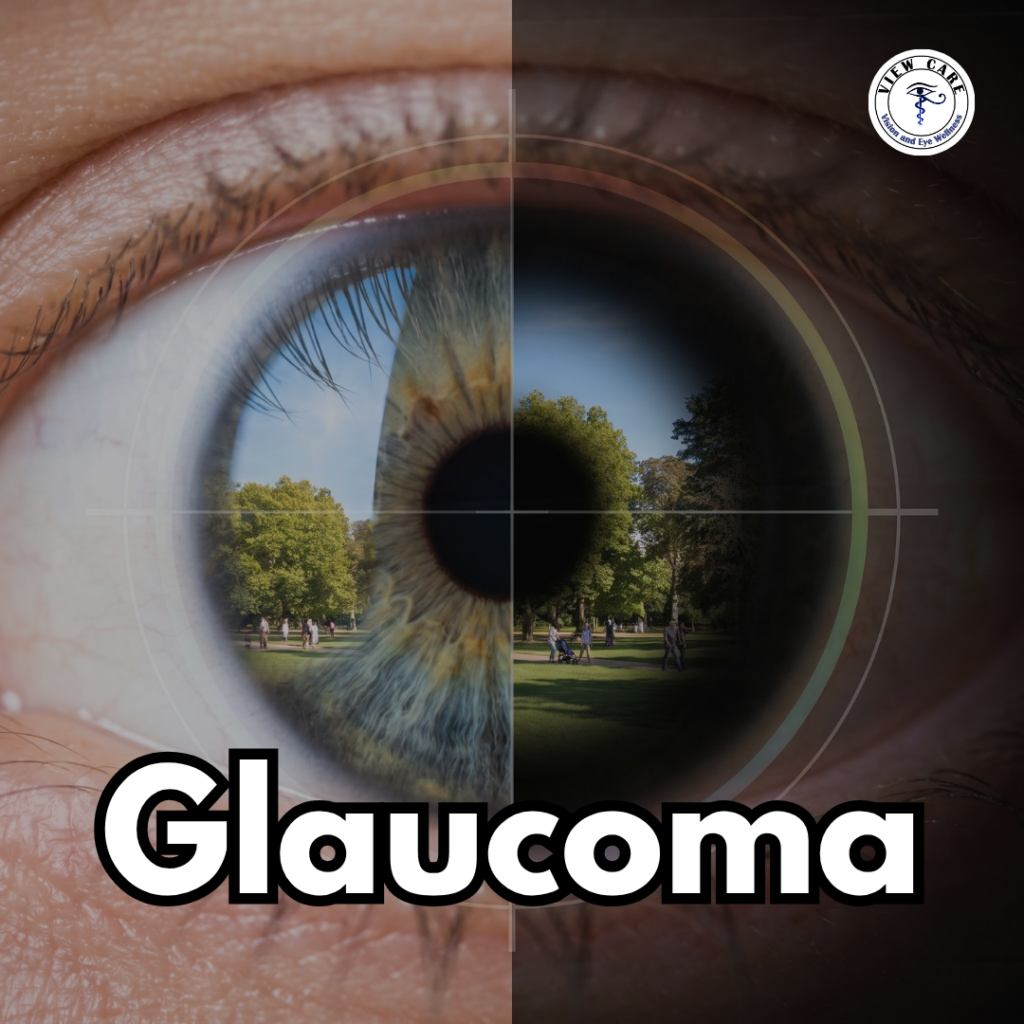
Imagine slowly losing your eyesight without feeling any pain
or noticing any warning signs. That’s exactly how glaucoma behaves in
many people. It is often called the “silent thief of sight”
because it can damage your vision gradually before you even realize something
is wrong.
The good news is that early diagnosis and timely
treatment can slow or even prevent further vision loss. This is why regular
eye checkup and eye test are extremely important, especially
after the age of 40 or if glaucoma runs in your family.
If you are looking for an experienced Eye specialist,
Eye doctor, Ophthalmologist, or Eye hospital in Delhi,
understanding glaucoma is the first step toward protecting your vision.
What Is Glaucoma?
Glaucoma is a group of eye diseases that damage the optic
nerve, the nerve responsible for carrying visual information from your eyes
to your brain.
In many cases, this damage happens because the pressure
inside the eye becomes higher than normal. However, glaucoma can also occur
even when eye pressure is normal.
Once the optic nerve is damaged, the lost vision cannot be
restored. That is why glaucoma is considered a lifelong condition that requires
regular monitoring.
Why Is the Optic Nerve So Important?
Think of your optic nerve as a cable connecting your eye to
your brain.
Your eye captures everything you see.
The optic nerve sends those images to your brain.
If this cable gets damaged, the signals become weaker,
causing blind spots and vision loss.
The damage usually starts from the outer (side) vision and
slowly moves toward the center if left untreated.
Why Is Glaucoma Called the Silent Thief of Sight?
Unlike many eye diseases, glaucoma usually does not cause pain. Most people:
- Feel
perfectly normal.
- Continue
daily activities.
- Notice
vision loss only after significant damage has already occurred.
By the time symptoms become obvious, permanent vision loss
may already have happened.
That is why routine eye checkup by an experienced Eye
specialist is so important.
Types of Glaucoma
1. Primary Open-Angle Glaucoma
This is the most common type.
The drainage system inside the eye slowly stops working
efficiently.
Fluid builds up.
Eye pressure gradually increases.
Damage develops slowly over many years.
Most people have no symptoms in the early stages.
2. Angle-Closure Glaucoma
This type develops suddenly and is considered a medical emergency. Symptoms may include:
- Severe
eye pain
- Sudden
blurred vision
- Headache
- Vomiting
- Seeing
rainbow halos around lights
Immediate treatment is necessary.
3. Normal-Tension Glaucoma
Some people develop optic nerve damage even though their eye pressure remains within the normal range. The exact cause is still not completely understood.
4. Congenital Glaucoma
Some babies are born with glaucoma due to abnormal
development of the eye drainage system.
Parents may notice:
- Constant
watering
- Large-looking
eyes
- Sensitivity
to light
Early treatment is essential.
What Causes Glaucoma?
Glaucoma develops when the optic nerve becomes damaged.
Several factors can contribute to this damage.
Increased Eye Pressure
This is the most common cause.
Your eyes continuously produce fluid.
Normally, this fluid drains out naturally.
If the drainage becomes blocked, pressure builds up inside
the eye.
Over time, this pressure damages the optic nerve.
Reduced Blood Supply
Sometimes the optic nerve does not receive enough blood
flow, making it more vulnerable to damage.
Aging
As we grow older, the risk naturally increases.
Family History
If glaucoma runs in your family, your chances are much
higher.
Eye Injury
A serious eye injury may damage the drainage system and
increase eye pressure.
Risk Factors for Glaucoma
Anyone can develop glaucoma, but certain people have a
higher risk.
These include:
- Age
above 40 years
- Family
history of glaucoma
- Diabetes
- High
blood pressure
- Nearsightedness
or farsightedness
- Previous
eye injury
- Long-term
steroid use
- Thin
corneas
- High
eye pressure
- Previous
eye surgery
If you have one or more of these risk factors, regular eye
test is highly recommended.
Early Symptoms of Glaucoma
Most early glaucoma has no symptoms.
As the disease progresses, you may notice:
- Difficulty
seeing from the sides
- Frequent
change of spectacles
- Blurred
vision
- Difficulty
driving at night
- Poor
contrast vision
- Trouble
walking in dim light
Many people mistake these symptoms for normal aging.
Warning Signs That Need Immediate Attention
Seek emergency care if you experience:
- Sudden
severe eye pain
- Sudden
blurred vision
- Nausea
- Vomiting
- Red
eye
- Rainbow-colored
halos around lights
- Sudden
vision loss
These could indicate acute angle-closure glaucoma.
How Is Glaucoma Diagnosed?
An experienced Ophthalmologist performs several
painless tests.
Eye Pressure Measurement
Measures the pressure inside your eye.
Optic Nerve Examination
The doctor checks whether the optic nerve looks healthy.
Visual Field Test
This measures side vision and detects blind spots.
OCT Scan
A highly advanced scan that detects optic nerve damage even
before vision loss occurs.
Corneal Thickness Test
Measures the thickness of the cornea, which helps interpret
eye pressure accurately.
Treatment Options for Glaucoma
Although glaucoma cannot be cured, treatment can
successfully slow or stop further damage.
1. Eye Drops
Most patients begin with medicated eye drops.
These:
- Lower
eye pressure
- Improve
fluid drainage
- Reduce
fluid production
Regular use is essential.
Skipping doses may lead to vision loss.
2. Laser Treatment
Laser procedures improve the eye’s drainage system.
The treatment is:
- Quick
- Safe
- Usually
painless
- Performed
without hospital admission
3. Glaucoma Surgery
When eye drops and laser are not enough, surgery may be
recommended.
Surgery creates a new pathway for fluid drainage, helping
lower eye pressure.
Modern glaucoma surgeries have excellent success rates when
performed by experienced surgeons.
Can Glaucoma Be Prevented?
While glaucoma cannot always be prevented, early detection
makes a huge difference.
You can lower your risk by:
- Having
regular eye examinations
- Managing
diabetes and blood pressure
- Protecting
your eyes from injuries
- Avoiding
unnecessary steroid use
- Following
your doctor’s advice
- Taking
prescribed eye drops regularly
What Happens If Glaucoma Is Left Untreated?
Ignoring glaucoma may result in:
- Permanent
vision loss
- Blind
spots
- Tunnel
vision
- Difficulty
driving
- Falls
due to poor side vision
- Loss
of independence
- Permanent
blindness
Unfortunately, vision already lost from glaucoma cannot be
recovered.
When Should You Visit an Eye Specialist?
Book an appointment immediately if:
- You
are above 40 years.
- You
have diabetes.
- Glaucoma
runs in your family.
- Your
vision has changed.
- You
experience eye pain.
- You
see halos around lights.
- You
have frequent headaches with blurred vision.
- You
are using steroid medications.
- You
have not had an eye examination in the last one to two years.
Searching online for the Best eye specialist near me,
Eye specialist Delhi, Eye specialist Mayur Vihar Phase 1, or Eye
specialist Laxmi Nagar can help you find qualified professionals, but
choosing an experienced ophthalmologist with modern diagnostic facilities is
equally important.
Living Well with Glaucoma
A glaucoma diagnosis does not mean you will lose your
eyesight.
Thousands of people continue to:
- Work
normally
- Read
comfortably
- Drive
safely (when advised)
- Enjoy
family life
- Travel
- Live
independently
The secret is regular follow-up and following your treatment
plan.
Success Story 1 – Mr. Rajesh’s Journey
Rajesh, a 52-year-old businessman, visited View Care Eye
Hospital for a routine eye checkup before changing his spectacles.
He had absolutely no complaints.
During his examination, the Eye specialist detected
early glaucoma.
After starting eye drops and attending regular follow-up
visits, his eye pressure remained well controlled.
Today, several years later, Rajesh continues to enjoy
healthy vision and is grateful that a routine eye test helped save his
eyesight.
Success Story 2 – Mrs. Sunita’s Story
Sunita, a 60-year-old retired teacher, suddenly experienced
severe eye pain and blurred vision.
Her family immediately brought her to View Care Eye
Hospital, an advanced Eye hospital Delhi.
She was diagnosed with acute angle-closure glaucoma.
Emergency treatment followed by laser therapy quickly
reduced the eye pressure.
Her vision was preserved because she sought medical help
without delay.
Today, she encourages everyone in her family to undergo
regular eye examinations.
Frequently Asked Questions (FAQs)
Can glaucoma be cured?
No. However, it can usually be controlled with timely
treatment.
Is glaucoma painful?
Most common glaucoma is painless.
Sudden angle-closure glaucoma causes severe pain and
requires emergency treatment.
Can young people develop glaucoma?
Yes.
Although it is more common after 40 years, glaucoma can
occur at any age, including infancy.
Can I use spectacles to treat glaucoma?
No.
Spectacles improve vision but do not lower eye pressure.
How often should I get an eye checkup?
Adults above 40 years should have regular comprehensive eye
examinations as advised by their eye doctor, especially if they have risk
factors.
Final Thoughts
Glaucoma is one of the leading causes of irreversible
blindness worldwide, but it is also one of the most manageable eye conditions
when detected early. Since the disease often progresses without noticeable
symptoms, regular eye checkup and comprehensive eye test play a
vital role in protecting your vision.
If you have a family history of glaucoma, are over the age
of 40, have diabetes, or simply have not had your eyes examined in a while,
don’t wait for symptoms to appear. Early diagnosis by an experienced Eye
specialist or Ophthalmologist can make all the difference.
At View Care Eye Hospital, our dedicated team offers
advanced glaucoma screening, accurate diagnosis, personalized treatment, and
long-term follow-up care. Whether you’re searching for an Eye specialist
Delhi, Eye hospital in Delhi, Best eye hospital in Delhi, Eye
specialist Mayur Vihar Phase 1, Eye specialist Laxmi Nagar, or one
of the Top 5 eye doctor near me, our commitment is to help you preserve
your vision with compassionate, evidence-based care.
Protect your eyesight today—schedule your comprehensive eye
examination and take the first step toward lifelong eye health.