

Introduction
Hearing the words “eye cancer” can be
frightening. Many people immediately worry about losing their eyesight or think
that cancer in the eye cannot be treated. The good news is that many types
of eye cancer can be treated successfully, especially when they are found
early.
Modern medicine has made significant progress in diagnosing
and treating eye cancer. Today, advanced treatments help preserve vision,
prevent the spread of cancer, and improve the quality of life for many
patients.
Whether you have recently been diagnosed, have a family
member who is undergoing treatment, or simply want to learn more, this guide
explains everything in simple language. We’ll discuss what eye cancer is, its
causes, symptoms, treatment options, possible complications, recovery, and
inspiring patient success stories.
If you notice any unusual changes in your eyes, scheduling
an Eye checkup with an experienced Eye specialist or Ophthalmologist
can make all the difference.
What Is Eye Cancer?
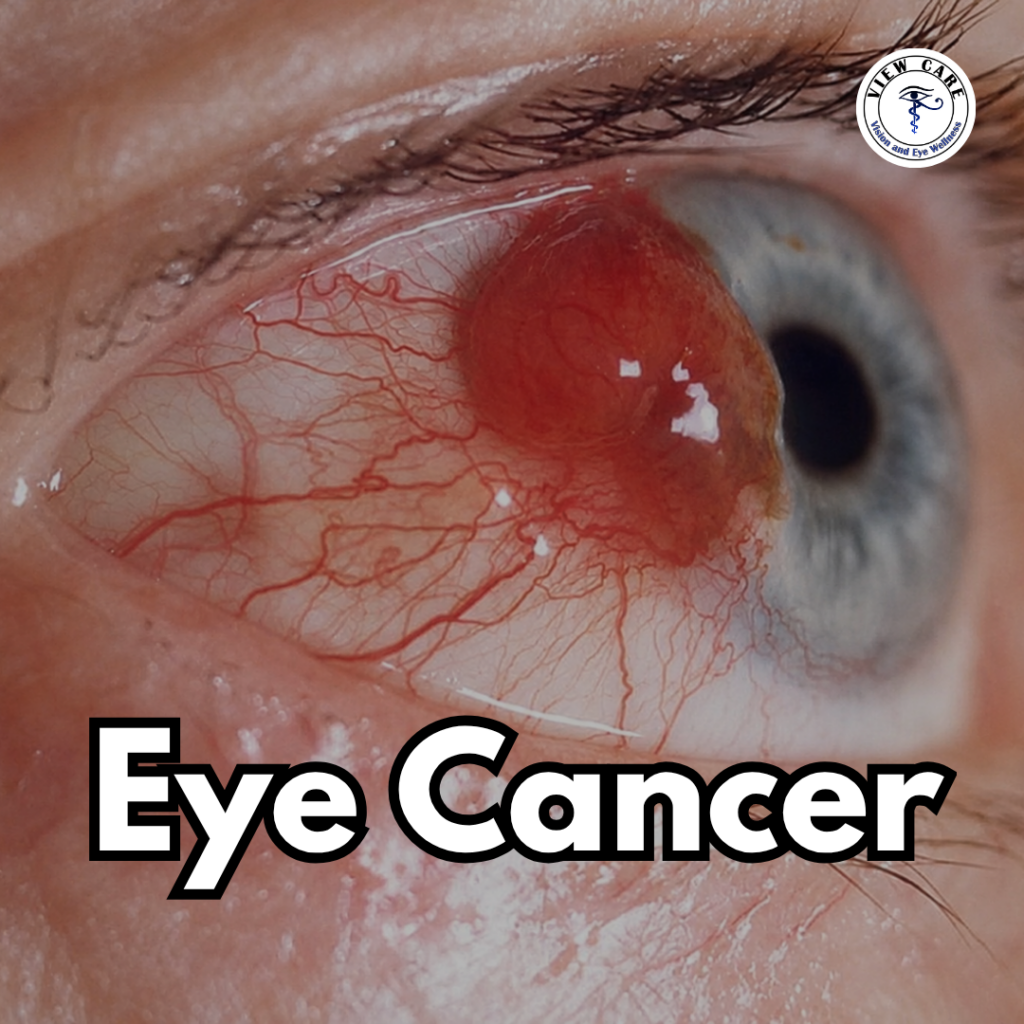
Eye cancer occurs when abnormal cells grow uncontrollably
inside or around the eye. These abnormal cells can form a tumor. Some tumors
grow slowly, while others may spread to nearby tissues or other parts of the
body if not treated.
Eye cancer may begin inside the eye (primary eye cancer) or
spread to the eye from another organ such as the breast or lungs (secondary eye
cancer).
Although eye cancer is relatively uncommon compared to other
cancers, early diagnosis greatly improves the chances of successful treatment.
Why Is Early Diagnosis So Important?
One of the biggest challenges with eye cancer is that it often develops without causing pain. In its early stages, many people don’t notice any symptoms. When detected early, treatment can:
- Save
vision
- Prevent
the cancer from spreading
- Reduce
the need for major surgery
- Improve
survival rates
- Offer
better long-term outcomes
Routine Eye test appointments are one of the best
ways to detect eye problems before symptoms become severe.
What Causes Eye Cancer?
Doctors still don’t know the exact reason why some people
develop eye cancer. However, certain genetic changes can cause cells to grow
abnormally.
Sometimes these changes happen naturally as we age. In other
cases, environmental and hereditary factors may contribute.
What Are the Risk Factors?
Several factors may increase the risk of eye cancer:
Age
The risk generally increases with age, although certain eye
cancers can occur in children.
Fair Skin and Light-Colored Eyes
People with blue, green, or gray eyes may have a slightly
higher risk of developing certain eye cancers.
Excessive UV Exposure
Long-term exposure to sunlight without eye protection may
increase the risk.
Family History
Some inherited genetic conditions can increase
susceptibility.
Existing Eye Conditions
Certain pigmented spots inside the eye may require regular
monitoring.
Weakened Immune System
People with reduced immunity may have a higher risk of
developing certain eye tumors.
What Are the Symptoms of Eye Cancer?
Eye cancer symptoms vary depending on where the tumor develops. Common symptoms include:
- Blurred
vision
- Partial
vision loss
- Floaters
- Flashes
of light
- Dark
spot in vision
- Bulging
eye
- Eye
swelling
- Persistent
redness
- Eye
pain (less common)
- Lump
on the eyelid
- Change
in pupil shape
- Difficulty
moving the eye
- Double
vision
Many of these symptoms may also occur in non-cancerous eye
conditions, which is why evaluation by an Eye doctor is essential.
Signs That Should Never Be Ignored
Seek immediate medical attention if you notice:
- Sudden
loss of vision
- Rapidly
growing eye lump
- Persistent
swelling
- Bleeding
from the eye
- Constant
eye pain
- A
visible dark spot that keeps enlarging
- Sudden
bulging of one eye
How Is Eye Cancer Diagnosed?
Diagnosing eye cancer involves several painless
examinations.
Your Ophthalmologist may recommend:
Complete Eye Examination
A detailed examination helps evaluate all parts of the eye.
Dilated Eye Examination
Eye drops enlarge the pupil so the retina and deeper eye
structures can be examined.
Eye Ultrasound
Ultrasound helps determine the size and location of the
tumor.
OCT Scan
This advanced imaging test provides detailed pictures of the
retina.
CT Scan or MRI
These imaging tests help determine whether the tumor has
spread.
Biopsy
In selected cases, a small tissue sample may be taken to
confirm the diagnosis.
What Are the Treatment Options for Eye Cancer?
Treatment depends on:
- Type
of cancer
- Size
of the tumor
- Location
- Whether
vision can be preserved
- Patient’s
overall health
Let’s explore the available options.
Observation
Very small tumors sometimes do not require immediate
treatment.
Doctors may simply monitor them through regular examinations
and imaging.
Laser Therapy
Certain small eye tumors can be treated using focused laser
energy.
Benefits include:
- Minimally
invasive
- Quick
recovery
- Vision
preservation in selected patients
Radiation Therapy
Radiation is one of the most common treatments for eye
cancer.
It destroys cancer cells while trying to protect healthy
tissues.
Different methods include:
- Plaque
brachytherapy
- External
beam radiation
- Proton
beam therapy
Many patients continue their normal routine during
treatment.
Surgery
Surgery may be recommended when:
- The
tumor is large
- Vision
cannot be preserved
- Cancer
threatens surrounding tissues
Procedures vary from removing only the tumor to removing the
entire eye in advanced cases.
Although losing an eye sounds overwhelming, modern
artificial eyes provide excellent cosmetic results and help patients regain
confidence.
Chemotherapy
Chemotherapy uses medicines to destroy cancer cells.
It may be given:
- Before
surgery
- After
surgery
- Along
with radiation
- When
cancer has spread
Targeted Therapy
These newer medicines attack specific cancer cells while
causing less damage to healthy cells.
Targeted therapy has improved treatment outcomes for many
patients.
Immunotherapy
Immunotherapy helps the body’s own immune system recognize
and fight cancer cells.
Although not suitable for every patient, it has become an
important treatment option in selected cases.
Can Vision Be Saved?
Many patients worry that treatment always leads to
blindness.
Fortunately, this is not true.
If eye cancer is diagnosed early:
- Vision
can often be preserved.
- The
eye may be saved.
- Modern
treatments are highly precise.
- Recovery
is usually faster than before.
The earlier the diagnosis, the better the chances.
Recovery After Eye Cancer Treatment
Recovery depends on the type of treatment received.
During recovery, patients should:
- Attend
all follow-up appointments.
- Use
prescribed medicines.
- Protect
the eyes from sunlight.
- Avoid
rubbing the eye.
- Eat
a healthy diet.
- Report
any new symptoms immediately.
Emotional recovery is equally important. Support from
family, friends, and healthcare professionals can make a significant
difference.
What Happens If Eye Cancer Is Left Untreated?
Ignoring symptoms may lead to serious complications.
Possible complications include:
- Permanent
vision loss
- Complete
blindness
- Spread
of cancer to nearby tissues
- Spread
to other organs
- Severe
eye pain
- Damage
to surrounding bones
- Reduced
quality of life
- Life-threatening
complications in advanced stages
Early treatment greatly reduces these risks.
When Should You See an Eye Specialist?
Do not delay your appointment if you experience:
- Blurred
vision lasting several days
- A
growing spot inside the eye
- Sudden
vision changes
- Persistent
redness
- Eye
swelling
- Eye
pain
- Double
vision
- Bulging
eye
- Flashes
and floaters that increase suddenly
Regular Eye checkup visits are especially important
if you have risk factors or a family history of eye disease.
Can Eye Cancer Be Prevented?
Although eye cancer cannot always be prevented, you can
lower your risk by:
- Wearing
UV-protective sunglasses
- Avoiding
excessive sun exposure
- Quitting
smoking
- Eating
antioxidant-rich foods
- Managing
overall health
- Getting
routine eye examinations
- Reporting
unusual symptoms early
Success Story 1: Rajesh’s Journey Back to Normal Life
Rajesh, a 48-year-old school teacher, noticed blurred vision
in one eye. Initially, he ignored it, believing it was due to age.
When the symptoms persisted, he visited an eye specialist.
After detailed testing, doctors diagnosed an early-stage eye tumor.
Because the cancer was detected early, radiation therapy
successfully treated the tumor without removing the eye.
Today, Rajesh continues teaching, enjoys reading, and
attends regular follow-up appointments. His vision remains stable, and he
encourages everyone not to ignore changes in their eyesight.
Success Story 2: Meera’s Inspiring Recovery
Meera, a 35-year-old working professional, developed a
painless swelling near her eye.
She consulted an experienced ophthalmologist without delay.
The tumor was removed surgically, followed by additional
treatment to ensure complete recovery.
Today, Meera has returned to work, travels confidently, and
says that early diagnosis gave her a second chance at life. She reminds friends
and family that a timely eye examination can truly make a difference.
These stories are illustrative examples based on common
treatment journeys and are intended for educational purposes.
Frequently Asked Questions (FAQs)
Is eye cancer curable?
Many cases can be treated successfully, particularly when
diagnosed early. The outcome depends on the type, size, and stage of the
cancer.
Is eye cancer painful?
Not always. Many people experience no pain during the early
stages.
Can children develop eye cancer?
Yes. Some types, such as retinoblastoma, mainly affect young
children and require prompt treatment.
Does every eye tumor mean cancer?
No. Many eye tumors are benign (non-cancerous), but all
suspicious growths should be evaluated by an eye specialist.
Can I live a normal life after treatment?
Yes. Many people return to work, drive, enjoy hobbies, and
lead fulfilling lives after successful treatment and regular follow-up care.
Why Choose View Care Eye Hospital?
When it comes to eye cancer and other complex eye
conditions, choosing the right healthcare team matters. At View Care Eye
Hospital, patients receive compassionate care, advanced diagnostic support,
and personalized treatment plans from experienced eye care professionals.
Whether you need a routine Eye test, a comprehensive Eye
checkup, or consultation for a serious eye condition, timely evaluation by
an experienced Eye specialist, Eye doctor, or Ophthalmologist
can make a significant difference.
Patients searching online for terms such as Eye
specialist Delhi, Eye specialist Mayur Vihar Phase 1, Eye
specialist Laxmi Nagar, Best eye specialist near me, Top 5 eye
doctor near me, Eye clinic, Eye hospital, Eye hospital
Delhi, Eye hospital in Delhi, or Best eye hospital in Delhi
should always choose a qualified and trusted eye care center with modern
diagnostic facilities and experienced specialists.
Conclusion
Eye cancer may sound frightening, but advances in diagnosis
and treatment have transformed patient outcomes. Early detection remains the
most powerful tool for protecting both vision and overall health. Paying
attention to unusual eye changes, scheduling regular eye examinations, and
seeking expert care without delay can make a life-changing difference.
If you notice persistent vision changes, eye swelling, a
growing lump, or any other unusual symptom, don’t ignore it. A timely
consultation with an experienced eye care professional can help identify the
cause and ensure the right treatment at the right time. Remember, when it comes
to eye cancer, early action offers the best chance for successful treatment and
a brighter future.