Introduction
Most people think Steven-Johnson Syndrome (SJS) only affects
the skin. However, one of the most serious parts of this condition is its
effect on the eyes. Without prompt treatment, SJS can lead to severe eye
damage, long-term vision problems, and in some cases, permanent blindness.
The good news is that early diagnosis and immediate
treatment by an Eye specialist, Ophthalmologist, or Eye doctor
can significantly reduce the risk of vision loss.
At View Care, our experienced team understands that
protecting your eyesight begins with early recognition, proper treatment, and
regular follow-up care.
This article explains everything you need to know about
Steven-Johnson Syndrome affecting the eyes in simple language.
What is Steven-Johnson Syndrome?
Steven-Johnson Syndrome is a rare but serious condition in
which the body’s immune system mistakenly attacks the skin and mucous
membranes.
It usually starts with flu-like symptoms before causing
painful skin rashes and blisters. Unfortunately, the eyes are among the first
organs to become involved.
Eye involvement occurs in nearly 70–90% of patients with
SJS, making early eye treatment extremely important.
Why Does Steven-Johnson Syndrome Affect the Eyes?
The surface of the eye contains delicate tissues that are easily damaged during the inflammatory process. Inflammation can affect:
- Eyelids
- Conjunctiva
(clear covering of the eye)
- Cornea
- Tear
glands
- Eye
surface
Without treatment, these tissues may heal with scarring,
causing permanent damage.
What Causes Steven-Johnson Syndrome?
Although the exact cause is not always known, most cases are triggered by medications or infections. Common causes include:
Certain Medicines
Examples include:
- Antibiotics
- Anti-seizure
medications
- Painkillers
- Medicines
used to treat gout
Never stop prescribed medication without consulting your
doctor.
Viral Infections
Some viral infections can trigger SJS, especially in children. Examples include:
- Herpes
virus
- Influenza
- COVID-19
- Hepatitis
- HIV
Bacterial Infections
Certain bacterial infections may also contribute.
Genetic Factors
Some individuals inherit genes that make them more likely to
develop severe reactions to medications.
Risk Factors
Anyone can develop SJS, but the risk is higher in people who
have:
- Previous
history of SJS
- Family
history
- Weakened
immune system
- HIV
infection
- Cancer
- Autoimmune
diseases
- Recently
started new medications
- Certain
genetic backgrounds
Early Symptoms of Steven-Johnson Syndrome
The illness often begins with symptoms similar to the flu. Common early signs include:
- Fever
- Headache
- Body
pain
- Fatigue
- Sore
throat
- Cough
After a few days, skin symptoms usually appear.
Skin Symptoms
Patients may notice:
- Painful
red rash
- Blisters
- Peeling
skin
- Mouth
ulcers
- Lip
sores
- Genital
sores
At the same time, eye symptoms often begin.
Eye Symptoms of Steven-Johnson Syndrome
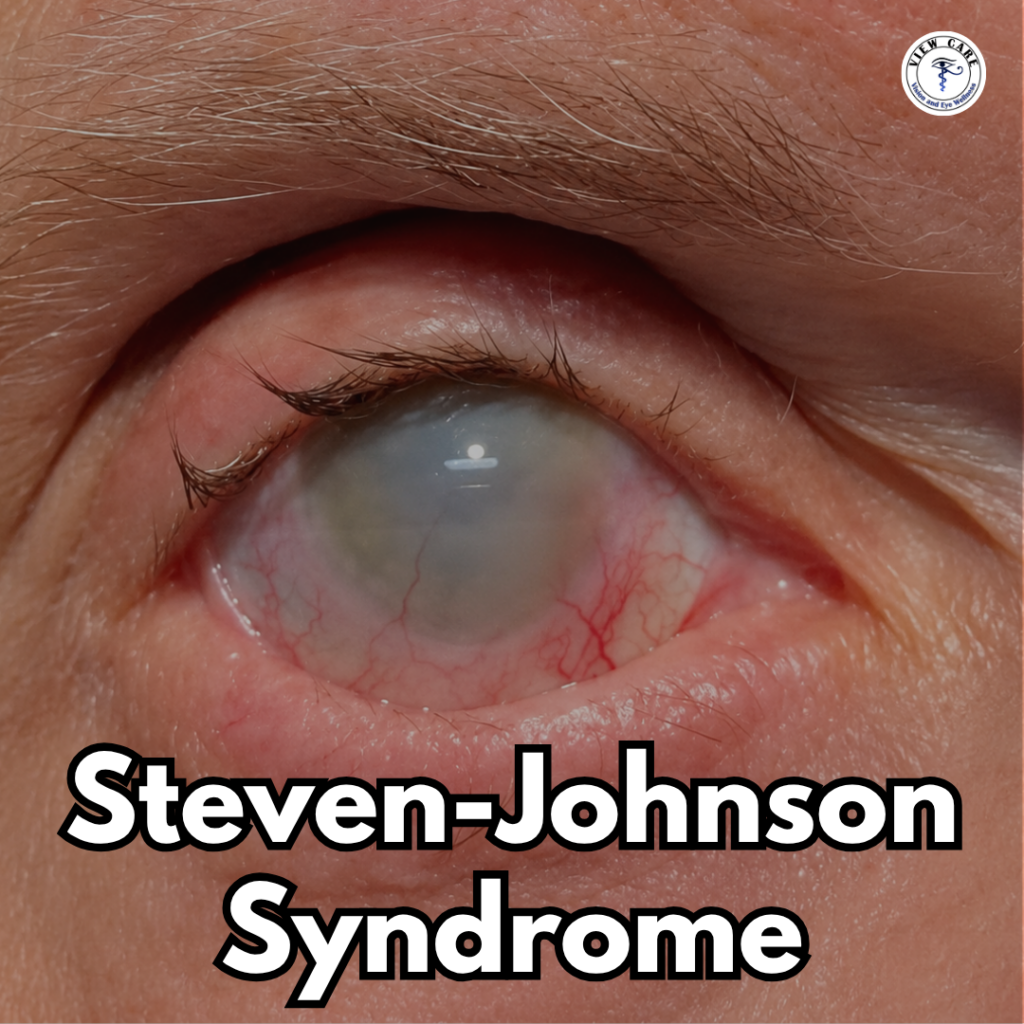
Eye involvement can develop very quickly. Common symptoms include:
Red Eyes
The eyes become intensely red because of inflammation.
Severe Eye Pain
Pain may range from mild discomfort to unbearable burning.
Watering Eyes
Excessive tearing is common during the early stages.
Dry Eyes
Later, damage to tear-producing glands can cause severe
dryness.
Light Sensitivity
Bright light becomes painful.
Blurred Vision
Inflammation of the cornea may reduce vision.
Sticky Eyes
Patients often wake up with eyelids stuck together due to
discharge.
Swollen Eyelids
The eyelids may become red, swollen, and painful.
Feeling of Sand in the Eyes
Many patients describe a gritty sensation.
Difficulty Opening the Eyes
Pain and swelling often make it difficult to keep the eyes
open.
Signs an Eye Specialist May Notice
During an examination, an Ophthalmologist may detect:
- Corneal
ulcers
- Conjunctival
inflammation
- Eye
surface damage
- Loss
of tear film
- Corneal
scarring
- Eyelid
scarring
- Abnormal
eyelash growth
- Dry
eye disease
- Reduced
vision
An immediate Eye checkup is essential if these
findings are present.
How is Steven-Johnson Syndrome Diagnosed?
Diagnosis involves both medical and eye examinations. The doctor may perform:
- Medical
history
- Medication
review
- Physical
examination
- Slit
lamp examination
- Eye
surface evaluation
- Vision
assessment
- Fluorescein
staining
- Eye
pressure measurement
Sometimes blood tests or skin biopsy may also be required.
Treatment Options
Treatment usually involves multiple specialists working
together.
Immediate Hospital Care
Most patients require admission because SJS can become life-threatening. Treatment includes:
- IV
fluids
- Pain
management
- Nutritional
support
- Infection
prevention
Stopping the Triggering Medicine
If a medication caused the reaction, it should be stopped
immediately under medical supervision.
Eye Lubrication
Artificial tears help protect the eye surface and reduce
discomfort.
Antibiotic Eye Drops
These help prevent secondary infections.
Anti-inflammatory Medicines
Special medications reduce inflammation and prevent
permanent damage.
Amniotic Membrane Transplantation
In severe cases, surgeons may place a special biological membrane over the eye. Benefits include:
- Faster
healing
- Reduced
scarring
- Better
vision
- Protection
of the cornea
Contact Lens Therapy
Special therapeutic contact lenses may protect the eye while
healing.
Surgery
Some patients require surgery for:
- Eyelid
reconstruction
- Corneal
transplantation
- Stem
cell transplantation
- Tear
drainage correction
Home Care During Recovery
Recovery may take weeks or months. Helpful measures include:
- Using
medicines exactly as prescribed
- Wearing
sunglasses outdoors
- Avoiding
smoke
- Staying
hydrated
- Avoiding
rubbing the eyes
- Keeping
follow-up appointments
- Using
lubricating eye drops regularly
Long-Term Complications
Even after recovery, some patients develop chronic eye problems. Possible complications include:
Chronic Dry Eyes
One of the most common long-term problems.
Corneal Scarring
Scarring can permanently reduce vision.
Eyelid Scarring
The eyelids may heal abnormally.
Misdirected Eyelashes
Eyelashes may rub against the cornea, causing repeated
injury.
Recurrent Eye Infections
Damaged eye surfaces are more vulnerable to infection.
Corneal Ulcers
Untreated ulcers can threaten eyesight.
Vision Loss
Severe cases may lead to permanent blindness.
When Should You Seek Medical Help?
Visit an Eye hospital immediately if you experience:
- Sudden
red eyes after starting a new medicine
- Eye
pain
- Blurred
vision
- Severe
light sensitivity
- Eye
discharge
- Difficulty
opening the eyes
- Skin
rash with eye symptoms
- Mouth
ulcers with red eyes
- Fever
followed by eye irritation
Never delay seeking treatment, as early care can save your
eyesight.
Can Steven-Johnson Syndrome Be Prevented?
Although SJS cannot always be prevented, the risk can be
reduced by:
- Informing
doctors about previous drug allergies
- Avoiding
medicines that previously caused SJS
- Carrying
medical alert information
- Taking
medications only under medical supervision
- Seeking
medical care immediately if symptoms appear
Life After Steven-Johnson Syndrome
Many patients recover well with appropriate treatment and long-term eye care. Regular visits to an Eye clinic help detect complications early.
Your doctor may recommend lifelong lubricating eye drops or
occasional procedures depending on the severity of damage.
Success Story 1: Rajesh’s Journey Back to Clear Vision
Rajesh, a 42-year-old office worker, developed severe
redness, painful eyes, and a widespread skin rash after starting a new
medication. He was quickly referred to an experienced Eye specialist
while receiving hospital treatment for Steven-Johnson Syndrome.
Because his eye condition was identified early, he received
intensive lubrication, protective eye care, and close monitoring. Over the next
few months, the inflammation settled, and his vision gradually improved. Today,
Rajesh has returned to work and continues regular eye checkups to maintain
healthy vision.
Success Story 2: Priya’s Recovery Through Timely Treatment
Priya, a 28-year-old teacher, noticed severe light
sensitivity and blurred vision soon after developing Steven-Johnson Syndrome.
She sought immediate care from an Eye doctor and followed every
treatment recommendation, including prescribed eye drops and regular follow-up
visits.
Thanks to early intervention, her eyes healed well without
major scarring. She now enjoys reading, driving, and teaching again while
continuing preventive eye care with her ophthalmologist.
Why Early Eye Care Matters
Steven-Johnson Syndrome is a medical emergency. While the skin symptoms often receive immediate attention, eye involvement should never be overlooked. Prompt treatment by an experienced Ophthalmologist can:
- Preserve
vision
- Reduce
scarring
- Prevent
chronic dry eye
- Lower
the need for surgery
- Improve
long-term quality of life
Why Choose View Care?
At View Care, we believe every patient deserves
expert, compassionate eye care. Our experienced team provides comprehensive
evaluation, advanced diagnostic facilities, and personalized treatment plans
for complex eye conditions, including Steven-Johnson Syndrome.
Whether you need an Eye checkup, Eye test, or
expert consultation, our specialists are committed to helping protect your
vision with timely diagnosis and modern treatment.
If you are looking for an Eye specialist Delhi, Eye
specialist Mayur Vihar Phase 1, Eye specialist Laxmi Nagar, Best
eye hospital in Delhi, Eye hospital Delhi, Eye hospital in Delhi,
or searching online for the Best eye specialist near me or Top 5 eye
doctor near me, View Care is dedicated to delivering trusted and
patient-centered eye care.
Frequently Asked Questions (FAQs)
Can Steven-Johnson Syndrome cause permanent blindness?
Yes. Without prompt treatment, severe eye involvement can
result in permanent vision loss. Early medical and ophthalmic care greatly
improves the chances of preserving eyesight.
Is Steven-Johnson Syndrome contagious?
No. SJS is not an infectious disease and cannot spread from
one person to another.
Can the eyes recover completely?
Many patients recover well if treatment begins early.
However, some may require long-term management for dry eyes or other
complications.
How often should I have my eyes checked after recovery?
Your ophthalmologist will decide the schedule based on the
severity of eye involvement. Regular follow-up is important to detect and
manage long-term complications.
Can children develop Steven-Johnson Syndrome?
Yes. Although uncommon, children can develop SJS, often
after infections or certain medications. Immediate medical attention is
essential.
Conclusion
Steven-Johnson Syndrome is rare, but its effects on the eyes
can be severe if left untreated. Symptoms such as redness, pain, blurred
vision, or light sensitivity should never be ignored, especially if they occur
alongside a skin rash or after starting a new medication.
The earlier you receive care from an experienced eye
specialist, the better your chances of protecting your vision and preventing
lifelong complications. Regular follow-up, adherence to treatment, and ongoing
eye care play a crucial role in recovery.
If you or a loved one develops warning signs of Steven-Johnson Syndrome affecting the eyes, seek immediate medical attention. Timely treatment can make the difference between full recovery and permanent vision loss.