

Introduction
Seeing tears constantly rolling down your baby’s cheeks can
be worrying, especially when your little one isn’t crying. Many parents wonder
whether watery eyes are normal or a sign of an eye problem. The good news is
that watering in infants is very common and, in most cases, can be
treated easily if diagnosed early.
Some babies have watery eyes because their tear drainage
system is still developing. Others may have infections, allergies, or
irritation that causes excessive tearing. Knowing the difference between
harmless watering and a condition that requires medical attention is important
for every parent.
This comprehensive guide explains everything you need to
know about watering in infants in simple language. We’ll discuss the causes,
symptoms, risk factors, treatment options, home care, warning signs, and when
it’s time to visit an Eye specialist or Ophthalmologist.
What Is Watering in Infants?
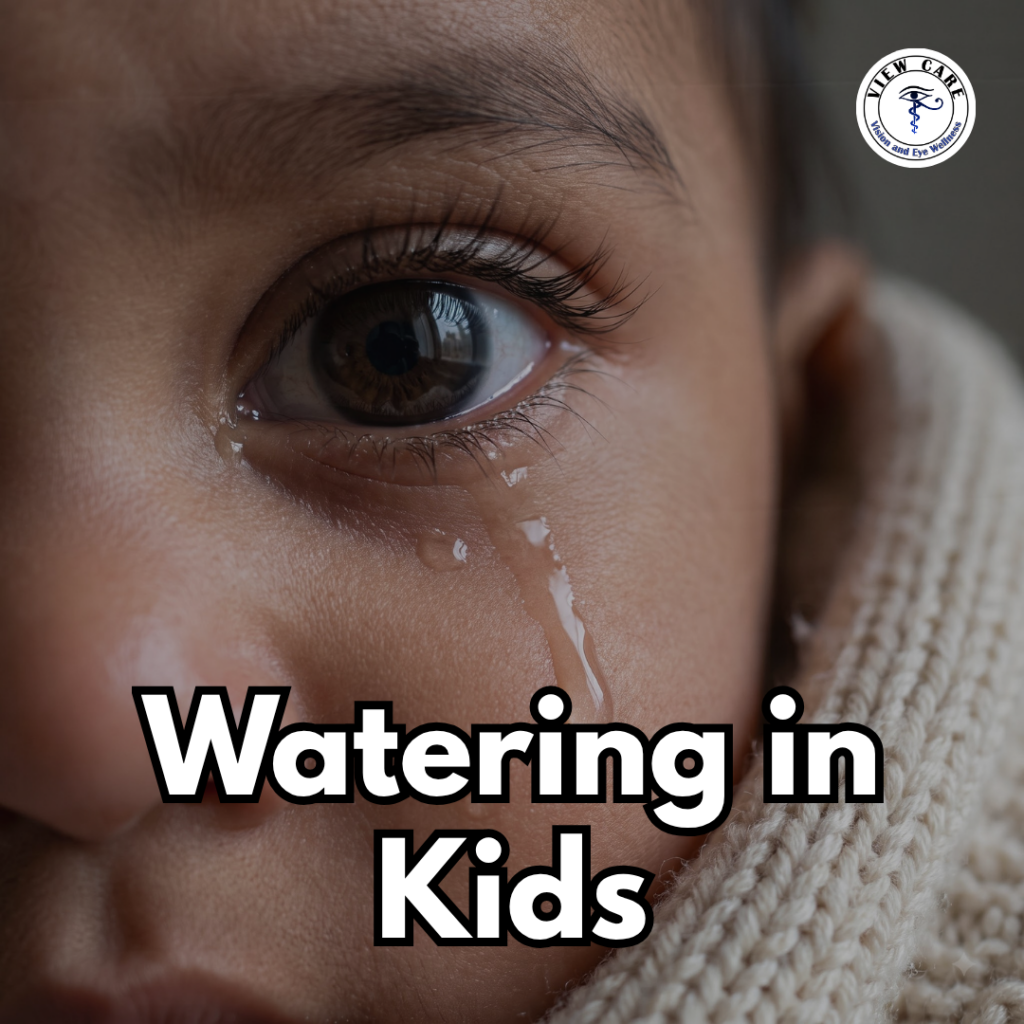
Watering in infants means that tears continuously overflow
from one or both eyes even when the baby is not crying.
Normally, tears keep the eyes clean, healthy, and moist.
After doing their job, tears drain through tiny openings located near the inner
corners of the eyelids. These tiny channels carry tears into the nose.
In many newborn babies, these drainage passages are not
completely open yet. As a result, tears collect in the eyes and spill over onto
the cheeks.
This condition is usually harmless and often improves
naturally during the baby’s first year.
How Do Tears Normally Drain?
Understanding how tears work makes the condition easier to
understand.
Your baby’s eyes continuously produce tears to:
- Keep
the eyes moist
- Wash
away dust
- Protect
against germs
- Keep
vision clear
Normally, tears travel through tiny drainage holes called
tear ducts and empty into the nose.
If this drainage pathway becomes blocked or hasn’t opened
fully after birth, tears cannot drain properly, causing watery eyes.
How Common Is Watering in Infants?
Watering in infants is extremely common.
Around 5–20% of newborn babies experience watering
because of blocked tear ducts. Fortunately, most babies recover naturally
before their first birthday.
Only a small number require a minor procedure to open the
tear duct.
What Causes Watering in Infants?
Several conditions can cause excessive tearing in babies.
1. Blocked Tear Duct (Most Common Cause)
This is by far the most common reason.
Before birth, the tear duct is covered by a thin membrane.
Sometimes this membrane doesn’t open completely after birth.
As a result:
- Tears
cannot drain
- Tears
overflow
- Sticky
discharge develops
- One
eye is often affected more than the other
Fortunately, most blocked tear ducts open naturally over
time.
2. Eye Infection
Babies can develop bacterial or viral eye infections.
Signs include:
- Yellow
discharge
- Sticky
eyelashes
- Swollen
eyelids
- Red
eyes
- Constant
watering
Eye infections require proper examination by an Eye
doctor.
3. Irritation
Tiny particles such as:
- Dust
- Smoke
- Shampoo
- Soap
- Eyelashes
can irritate the eyes and trigger excessive tearing.
4. Allergies
Although allergies are less common in newborns, older
infants may develop watery eyes because of:
- Dust
mites
- Pollen
- Pet
hair
5. Congenital Glaucoma (Rare but Serious)
Although rare, congenital glaucoma can also cause watering.
Other symptoms include:
- Large-looking
eyes
- Cloudy
cornea
- Light
sensitivity
- Excessive
tearing
This is an emergency and requires immediate evaluation by an
Ophthalmologist.
6. Eyelid Problems
Sometimes the eyelids do not close properly or eyelashes
grow inward, irritating the eye and causing watering.
Risk Factors for Watering in Infants
Certain babies are more likely to develop watery eyes.
These include:
- Premature
babies
- Family
history of blocked tear ducts
- Babies
born with facial abnormalities
- Babies
with genetic conditions
- Previous
eye infections
- Eyelid
abnormalities
Signs and Symptoms Parents Should Watch For
Common symptoms include:
Constant tears
Your baby’s eyes always appear wet.
Tears rolling down the cheeks
Even when your baby isn’t crying.
Sticky discharge
Especially after sleeping.
Crust around eyelashes
The eyelashes may stick together.
Mild redness
Can occur because of irritation.
One eye affected
Blocked tear ducts usually affect one eye, although both
eyes may be involved.
Warning Signs That Need Immediate Medical Attention
Seek medical help immediately if your baby has:
- Swollen
eyelids
- Fever
- Thick
green discharge
- Severe
redness
- Cloudy
eye
- White
spot on the eye
- Baby
refuses to open the eye
- Light
sensitivity
- Sudden
swelling near the nose
These symptoms may indicate a serious infection or glaucoma.
How Is Watering in Infants Diagnosed?
An experienced Eye specialist will perform a detailed
Eye checkup.
The examination may include:
Medical history
The doctor asks:
- When
watering started
- One
eye or both
- Presence
of discharge
- Previous
infections
Eye examination
The doctor carefully examines:
- Eyelids
- Cornea
- Tear
drainage openings
- Eye
movements
- Eye
surface
Eye test
Sometimes special dye is used to see whether tears drain
normally.
Most babies do not require painful investigations.
Treatment Options for Watering in Infants
Treatment depends on the underlying cause.
1. Tear Duct Massage
For blocked tear ducts, gentle massage is usually the first
treatment.
The doctor teaches parents how to:
- Wash
hands
- Locate
the tear sac
- Massage
downward several times daily
This helps open the blocked duct naturally.
2. Cleaning the Eyes
Parents should gently clean the eyelids using:
- Sterile
cotton
- Clean
warm water
Always wipe from the inner corner outward.
3. Antibiotic Eye Drops
If infection develops, the Eye doctor may prescribe
antibiotic eye drops or ointment.
Never use over-the-counter eye drops without medical advice.
4. Observation
Since many blocked tear ducts open naturally before 12
months of age, regular follow-up is often recommended.
5. Tear Duct Probing
If watering continues beyond 9–12 months, the doctor may
recommend probing.
During this short procedure:
- A
tiny instrument opens the blocked duct.
- It
is usually performed under brief anesthesia.
- The
procedure is quick.
- Most
babies recover the same day.
Success rates are very high.
6. Additional Procedures
Rarely, older children may need:
- Balloon
dilation
- Silicone
tube placement
- Tear
duct surgery
These are considered only when simpler treatments fail.
Home Care Tips for Parents
Parents can help by:
- Keeping
the eyes clean
- Following
tear duct massage instructions
- Washing
hands before touching the eyes
- Preventing
soap from entering the eyes
- Attending
regular follow-up visits
- Avoiding
self-medication
What Should Parents Avoid?
Avoid:
- Rubbing
the baby’s eyes
- Using
breast milk in the eyes
- Home
remedies suggested without medical advice
- Sharing
eye drops
- Ignoring
persistent symptoms
Can Watering Go Away on Its Own?
Yes.
Most babies improve naturally during their first year
because the tear drainage system continues developing.
However, persistent watering should always be evaluated to
avoid complications.
Possible Complications
Although uncommon, untreated watering can lead to:
Repeated infections
The trapped tears encourage bacterial growth.
Tear Sac Infection
This causes:
- Pain
- Swelling
- Fever
It requires urgent treatment.
Chronic Eye Irritation
Continuous watering may irritate the skin around the eyes.
Delayed Diagnosis of Serious Conditions
Rare conditions such as congenital glaucoma may initially
look like simple watering.
Early diagnosis protects vision.
When Should You Visit an Eye Specialist?
Schedule an appointment if:
- Watering
lasts beyond several months.
- Thick
discharge continues.
- Eyes
become red frequently.
- Swelling
develops.
- Baby
appears uncomfortable.
- Vision-related
concerns arise.
- One
eye appears larger.
- Light
sensitivity develops.
Early consultation with an experienced Eye specialist
ensures timely treatment and peace of mind.
Can Watering in Infants Be Prevented?
Not every case can be prevented, but parents can reduce
complications by:
- Maintaining
eye hygiene
- Keeping
hands clean
- Avoiding
eye irritants
- Following
doctor’s advice
- Getting
timely Eye checkup appointments
Success Story 1: Aarav’s Happy Recovery
Three-month-old Aarav constantly had tears flowing from his
right eye. His parents worried he had an eye infection. After visiting an
experienced Eye specialist, they learned that Aarav had a blocked tear
duct.
The parents were taught the correct massage technique and
followed it every day. By the time Aarav was eight months old, the blockage had
cleared naturally. Today, his eyes are healthy, comfortable, and free from
watering.
Success Story 2: Little Anaya’s Bright Smile
Nine-month-old Anaya continued to have watery eyes despite
regular massage. Her parents visited an experienced Ophthalmologist, who
recommended tear duct probing.
The procedure took only a short time, and Anaya went home
the same day. Within a week, her watering had completely stopped. Her parents
were relieved that early treatment prevented repeated infections and restored
normal tear drainage.
Frequently Asked Questions (FAQs)
Is watering in infants normal?
Yes. It is very common, especially during the first few
months of life.
Will my baby need surgery?
Most babies improve without surgery. Only a small number
require a simple tear duct probing procedure.
Is watering painful?
Usually not. However, infections may cause discomfort.
Can both eyes be affected?
Yes, although one eye is more commonly involved.
Should I use home remedies?
No. Always consult an Eye doctor before using any
treatment.
Conclusion
Watering in infants is one of the most common eye concerns
seen in newborns and young babies. While it can look alarming, most cases are
caused by a blocked tear duct that improves naturally or responds well to
simple treatment.
Parents should monitor symptoms carefully, keep the eyes
clean, and seek professional advice if watering persists or is accompanied by
redness, swelling, or discharge. Early evaluation helps rule out more serious
conditions and ensures your baby’s eyes remain healthy.
If your baby has persistent watery eyes, scheduling an Eye
checkup at a trusted Eye hospital in Delhi can provide reassurance
and the right treatment. At View Care, our experienced Eye
specialists and Ophthalmologists are dedicated to providing gentle,
child-friendly care. Whether you are looking for an Eye specialist Delhi,
an Eye specialist Mayur Vihar Phase 1, an Eye specialist Laxmi Nagar,
or searching online for the Best eye specialist near me, Top 5 eye
doctor near me, Best eye hospital in Delhi, or a reliable Eye
hospital Delhi, timely care can make all the difference in protecting your
child’s vision.